
Nine in ten Afghan children lack healthy diets, UNICEF report reveals
Nearly 3.7 million children under five face severe food, nutrition insecurity: UN agency calls for urgent international funding to prevent a worsening humanitarian disaster
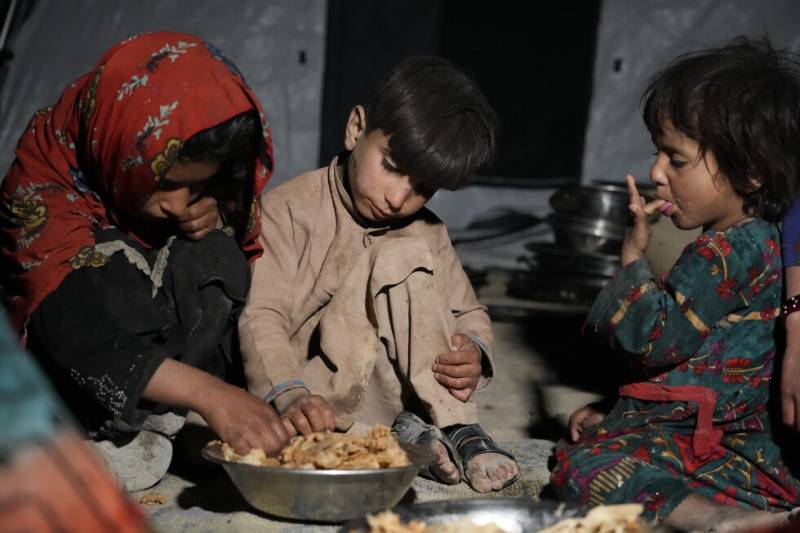

Afghanistan's child nutrition crisis has reached a critical stage. Over 90 percent of young children in the country are unable to access healthy diets, and nearly 3.7 million children under the age of five are facing severe food and nutrition insecurity, the 24NewsHD TV channel reported on Tuesday.
The TV channel highlighted a new UNICEF report in which the UN agency has issued an urgent warning, saying Afghanistan is entering a dangerous period in which millions of young children are at increased risk of life-threatening malnutrition.
The report reveals that the overwhelming majority of children in need of emergency nutritional support are under the age of two, making infants and toddlers the hardest-hit victims of Afghanistan's worsening humanitarian crisis.
UNICEF also warned that girls are increasingly vulnerable to poor nutrition and wasting, raising concerns over their long-term health and development.
Released under the title "Too Little, Too Late: The Diet Crisis Facing Young Children in Afghanistan", the report presents the first nationwide assessment linking child malnutrition with the daily realities of food insecurity experienced by Afghan families.
According to UNICEF, nearly 3.7 million children under five are at heightened risk of undernutrition because of worsening food shortages, poor dietary diversity, inadequate healthcare, disease outbreaks, limited access to safe drinking water, and poor sanitation services. The agency found that families across Afghanistan are increasingly being forced to reduce meal sizes, skip meals, and rely on less nutritious food, leaving children vulnerable to severe health complications.
The report warns that Afghanistan's nutrition situation has already deteriorated in 26 of the country's 34 provinces, even before the arrival of the annual July-to-September peak wasting season, suggesting that the crisis is unfolding earlier and more rapidly than expected.
UNICEF Representative in Afghanistan Dr Tajudeen Oyewale said the latest findings should serve as an urgent warning for humanitarian agencies and donors:
"Young children in Afghanistan are being pushed closer to malnutrition before the peak season has even begun. When families begin reducing meals or cutting back on nutritious foods, it is not only a sign of hardship—it is an early warning that children are moving towards dangerous levels of malnutrition."
He stressed that while treatment remains essential, preventing malnutrition through improved diets for young children and pregnant women is equally critical to saving lives.
UNICEF noted that children below the age of two account for 83 percent of severe acute malnutrition cases and 77 percent of moderate acute malnutrition cases, making early childhood the most vulnerable stage of life. The agency further warned that children living in severely food-insecure households are up to six times more likely to suffer from wasting—a severe form of acute malnutrition that can quickly become fatal without timely treatment.
The UN agency attributed the growing crisis to a combination of rising food insecurity, infectious disease outbreaks, low immunisation coverage, inadequate water and sanitation services, weak health systems, and widening humanitarian funding gaps. It called for urgent investment to expand nutrition programmes, strengthen healthcare and sanitation services, and protect the diets of children between six and 23 months through its First Foods Initiative.
Meanwhile, international analysts say Afghanistan's deepening humanitarian emergency reflects broader economic and governance challenges. They argue that years of economic decline, rising unemployment, shrinking public services, and administrative failures have left millions of families unable to secure adequate food for their children.
According to these analysts, the Taliban administration has struggled to restore economic stability or effectively respond to the country's mounting humanitarian needs. They also contend that greater attention has been given to political and security priorities than to addressing widespread poverty, food insecurity, and the deteriorating living conditions faced by ordinary Afghans.
With the peak malnutrition season now approaching, UNICEF says time is running out. The agency has appealed for immediate international funding and coordinated humanitarian action, warning that without swift intervention, millions of Afghan children could face irreversible health damage, while many more may lose their lives to a crisis that remains both preventable and treatable.