
Hollywood stars reveal shocking reasons they were rejected
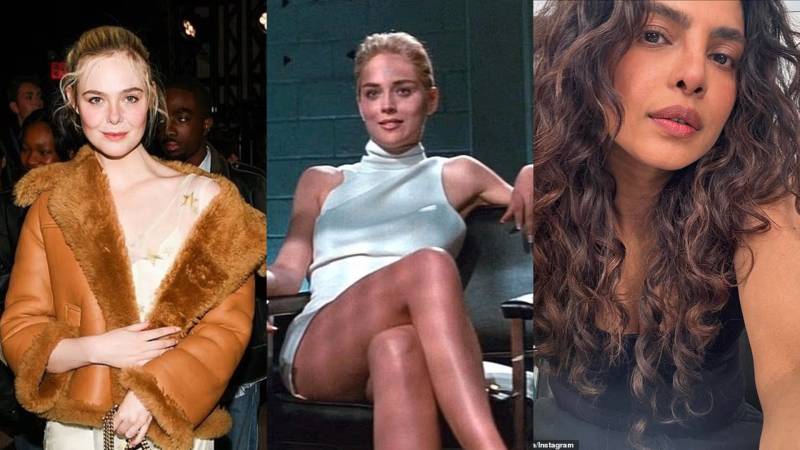

Rejection is a common part of life in the film industry, but many leading actresses say the reasons they were turned down for roles were often shocking, offensive and rooted in sexism or racial bias. Over the years, numerous Hollywood stars have spoken openly about the harsh comments they received early in their careers — ranging from criticism of their appearance to outright discriminatory remarks.
Despite eventually achieving international fame, actresses including Kate Winslet, Amy Adams and Tiffany Haddish say they faced humiliating rejection that left them questioning their place in the industry.
Early Body-Shaming in Hollywood
Oscar-winning actress Kate Winslet revealed that she faced body-shaming at the start of her career. While studying acting, she was reportedly told she would only be cast in “fat girl roles”.
The actress later rose to global fame after starring in the blockbuster film Titanic, yet she says the early criticism was difficult to endure.
Winslet recalled that casting agents would frequently ask about her weight before considering her for roles. She said such scrutiny was particularly harmful for young actors trying to establish themselves. However, she believes the industry has gradually begun to change and become more aware of such harmful attitudes.
Recording the Truth Behind Rejections
American comedian and actress Tiffany Haddish once took an unusual step to learn why she was losing roles. During auditions, she secretly left her phone recording inside the room to capture what casting directors said after she left.
The recordings revealed deeply troubling comments. Haddish said she heard people describe her as “ghetto”, suggest that the role should be given to a white actress, and even criticise her appearance.
Instead of allowing the remarks to discourage her, Haddish said she used the criticism to improve her skills and even incorporate the experiences into her comedy.
“Not Sexy Enough” for Television
Six-time Oscar nominee Amy Adams also faced criticism over her appearance early in her career. The actress, known for films such as Catch Me If You Can and Arrival, revealed that she was removed from a television role because producers felt she was not “sexy enough”.
According to Adams, she realised the decision had been made when another actress was brought in to replace her. The incident highlighted how frequently female actors are judged according to narrow standards of attractiveness.
The “Unacceptable” Standard for Teen Actresses
Actress Elle Fanning revealed she lost a film role at the age of 16 after being described as “unf***able”. The comment, reportedly made during discussions about a family road-trip comedy, shocked the young actress.
Although she now looks back on the remark with disbelief, Fanning described it as a disturbing example of how young women in Hollywood are often evaluated through inappropriate and misogynistic standards.
Height, Age and Appearance
Other actresses have described similarly unusual reasons for losing roles. Actress Melora Hardin was originally cast in the classic film Back to the Future but later lost the part because studio executives felt she was too tall to appear alongside actor Michael J. Fox.
Meanwhile, Olivia Wilde said she once missed out on a role in the film The Wolf of Wall Street after being told she was “too sophisticated”, which she later discovered was a polite way of saying she was considered too old.
Racism in Casting Decisions
Several actresses have also spoken about racial bias in casting. Actress Zoë Kravitz said she was prevented from auditioning for a role in The Dark Knight Rises because she was considered “too urban”, a term she believes was used to reference her race.
Similarly, international star Priyanka Chopra revealed she was rejected for a role because producers said she had the wrong “physicality”. Her agent later explained that the phrase was likely used to imply they wanted a non-brown actress.
“Too Smart” and “Not Pretty Enough”
Even highly respected performers have faced criticism about their personality or appearance. Oscar winner Reese Witherspoon once said she was rejected for a role because she appeared “too smart and feisty”.
Similarly, Emma Thompson revealed that male executives often told her she did not have the “right kind of body” for certain scenes, including roles involving nudity.
Changing Attitudes in the Film Industry
While many actresses believe the industry has improved in recent years, these stories highlight the intense scrutiny and discrimination that women have historically faced in Hollywood.
For many stars, rejection eventually became part of their success stories. Despite the criticism, they continued pursuing their careers — proving that the harsh judgments they once faced did not define their talent or their future.