
Report says 17 of the 20 most deprived districts of Pakistan are in Balochistan
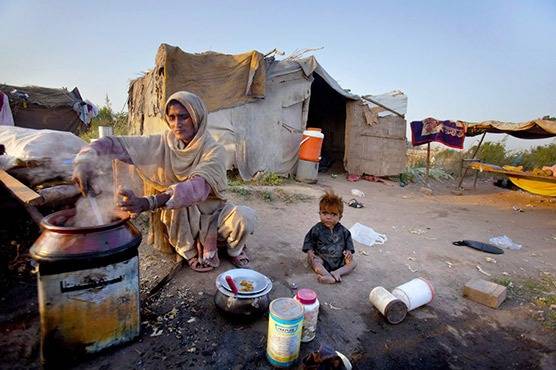

A new Population Council report has revealed stark disparities across Pakistan, showing that 17 of the 20 most deprived districts are in Balochistan, plagued by severe shortages of basic services, extreme poverty, and failing infrastructure.
The worst-affected districts include Washuk, Khuzdar, Kohlu, Zhob, Dera Bugti, Mashkhel, Qila Saifullah, and Kalat.
In Khyber Pakhtunkhwa, Kohistan and North Waziristan were identified as the weakest districts, while Tharparkar ranks as the most deprived in Sindh.
In contrast, 13 of the 20 most prosperous districts are in Punjab, with Balochistan absent from the prosperity list.
The report estimates that more than 10 million people in these 17 districts lack basic facilities.
Employment is scarce: 15 of the 20 districts with the worst job prospects are in Balochistan.
Both Balochistan and KP have the highest rates of unemployment and unpaid household labour.
Housing conditions are dire. About 65 percent of households live in mud or temporary structures, and half lack toilets.
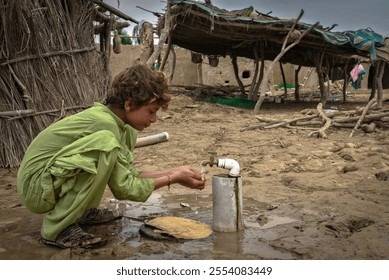
Access to clean drinking water is limited, with 40 percent unable to access safe water.
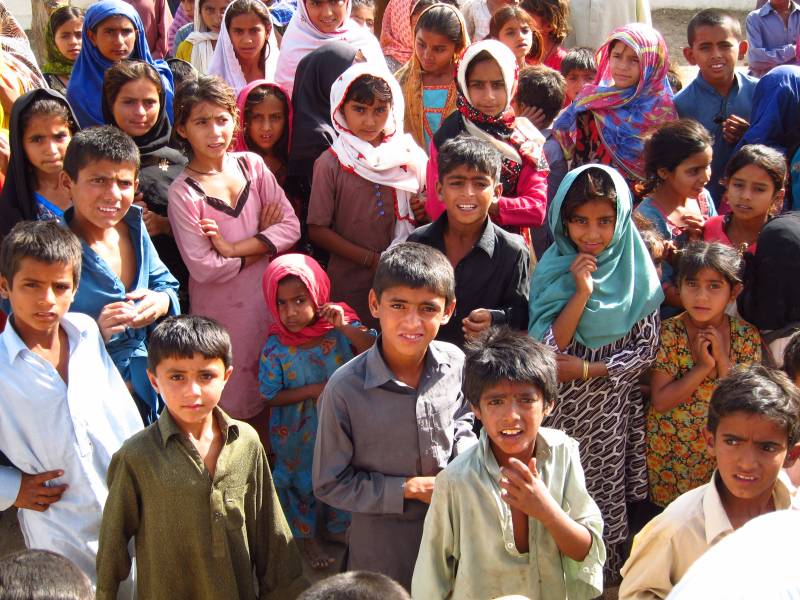
In Jhal Magsi, 97 percent of families live in mud or semi-constructed homes, and in some areas, three-quarters of houses consist of only a single room.
Poor roads, limited transport, and weak phone connectivity make delivering health and emergency services extremely difficult.
Clinics are scarce, forcing residents in remote areas of Balochistan and KP to travel more than 30 kilometres for basic healthcare.
Education access is also uneven.
While Karachi has the most schools, Balochistan has the fewest, and girls in rural districts face the longest journeys to high or higher secondary schools.
The report warns that rapid population growth exacerbates deprivation, as large family sizes limit access to education, healthcare, and clean water, pushing already vulnerable districts deeper into poverty.

The findings underscore an urgent need for targeted development interventions to improve infrastructure, health, education, and employment opportunities in Pakistan’s most underdeveloped regions.