
Colon cancer rising among young adults, warns Harvard expert


The rate of colon cancer among young adults worldwide is increasing at an alarming pace, with experts urging awareness of early symptoms and lifestyle-related risks.
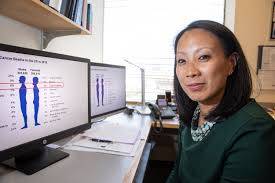
According to Dr Kimmie Ng, Associate Professor at Harvard Medical School and Director of the Young-Onset Colorectal Cancer Center, cancers of the digestive system including the colon, pancreas, stomach, and esophagus are becoming increasingly common in people under 50.
Early Symptoms Must Not Be Ignored
Dr Ng stressed that early detection plays a vital role in recovery and that people should be aware of key warning signs of colon cancer.
The most common symptom in younger individuals, she said, is the presence of blood in the stool, which should never be ignored.
Other warning signs include:
Unexplained weight loss
Changes in bowel habits, such as persistent diarrhea or constipation
Abdominal pain
Constant fatigue or weakness, often due to low red blood cell counts
“Even if discussing these symptoms feels uncomfortable,” she advised, “it is crucial to talk to your doctor if you notice them.”
Environmental Factors Increasing Cancer Risk
Research indicates that individuals born in the 1990s are two to four times more likely to develop colon cancer than those born in the 1950s. While a single cause has not been confirmed, Dr Ng noted that environmental and lifestyle factors appear to play a major role.
“These trends cannot be explained by genetic changes alone, since human genes haven’t changed significantly over recent decades,” she said. Likely contributors include:
Obesity and sedentary lifestyles
Diets high in red or processed meat, sugar, and sweetened beverages
Potential exposure to microplastics and other unresearched environmental elements
Although obesity is often highlighted as a key factor, Dr Ng pointed out that many colon cancer patients are not overweight, suggesting other yet-to-be-identified influences may also be at work.
Genetic Testing and Family History
Dr Ng emphasized that genetic testing can provide valuable insights, particularly for young patients. “Every young cancer patient should undergo genetic screening,” she said, adding that understanding one’s family history is equally important.
Unique Challenges for Young Patients
While youth is often viewed as an advantage in treatment, younger patients don’t necessarily have better outcomes. In fact, those under 35 face a higher risk of early death compared to older patients, despite being able to tolerate stronger chemotherapy or more intensive treatments.
Dr Ng explained that a cancer diagnosis in young adulthood is especially devastating:
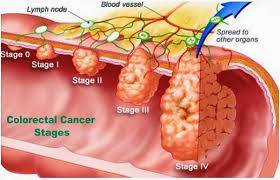
“It’s shocking when a fit, healthy young person with no family history is diagnosed with stage 4 cancer and sadly, we are seeing this far too often.”
She added that about 80% of young patients are either raising young children, caring for aging parents, or building their careers and families — making the impact of cancer even more profound.
Screening Can Save Lives
Dr Ng urged individuals over 45 years of age, or those with a family history of cancer, to undergo regular screening. “Do not feel embarrassed or hesitant,” she said. “Discuss your concerns with your doctor or family — early screening can save lives.”

Recent studies show that colon cancer is now one of the fastest-growing cancers among adults under 50, with mortality rates among men already rising sharply in the United States. If the trend continues, by 2030, colon cancer could become the leading cause of cancer-related deaths in women under 50.
Dr Ng concluded with a simple but powerful reminder:
“Adopting healthy daily habits today — such as balanced nutrition, physical activity, and awareness of early symptoms — can protect you not just from seasonal illnesses, but from life-threatening diseases like colon cancer.”