
Iran's foreign minister says global repercussions of war 'will hit all'
Araghchi says stance against nuclear weapons unlikely to change: Speaks of new rules for governing Strait of Hormuz
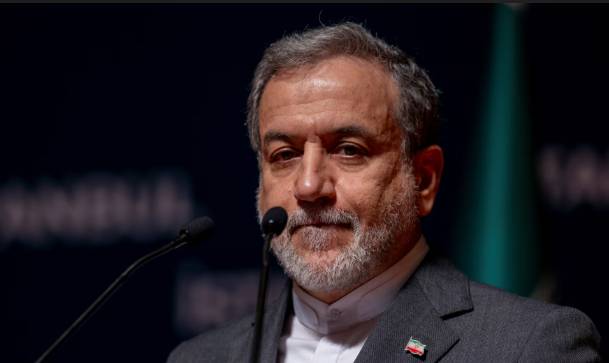

The repercussions of the war in the Middle East would be felt globally, Iran's top diplomat said on Wednesday, suggesting more Western officials should push back against the conflict.
"Wave of global repercussions has only begun and will hit all — regardless of wealth, faith, or race," Iranian Foreign Minister Abbas Araghchi posted on X, accompanied by a copy of the US National Counterterrorism Center director's resignation announcement prompted by the war on Tuesday.
"A rising number of voices — (including) European and U.S. officials — exclaim that the war on Iran is unjust. More members of the international community should follow suit," the post added.
Joseph Kent, who was appointed by Trump, announced his resignation Tuesday. "I cannot in good conscience support the ongoing war in Iran," he said.
Talking to Al Jazeera, Abbas Arachchi said Iran’s stance against the development of nuclear weapons will not significantly change, cautioning that the new Supreme Leader Mojtaba Khamenei is yet to publicly express his view on the matter.
Araghchi said fatwas depend on the jurist issuing them and added he was not yet in a position to judge the jurisprudential or political views of Mojtaba Khamenei.
Iran’s foreign minister said he believed that after the war comes to an end, countries that border the Gulf should draft a new protocol for the Strait of Hormuz, to ensure that safe passage through the narrow waterway is carried out under certain conditions aligned with Iranian and regional interests.