
Buzzing ears? Here’s what causes Tinnitus and how to keep it from taking over your life
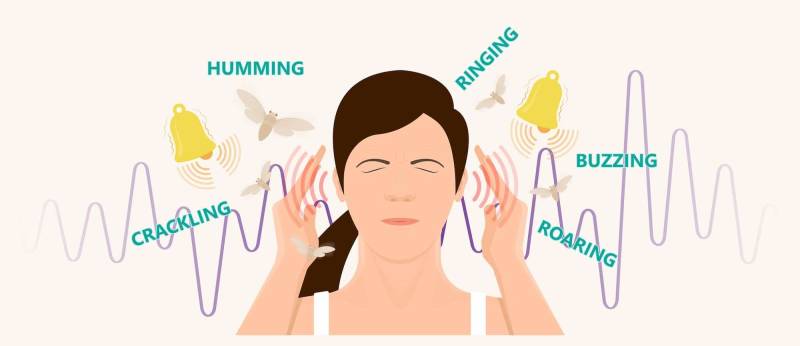

If you've ever heard a ringing, buzzing, or hissing in your ears when everything around you is quiet, you’re not imagining things—you might be dealing with tinnitus, a condition that affects millions worldwide, especially older adults.
Tinnitus is the auditory equivalent of a ghost—sound without a source. But what's behind it? And more importantly, what can you do to stop it from driving you up the wall?
Loud noise: the usual suspect
The most common culprit? Loud noise. Whether it’s your job at a noisy factory, your front-row concert habit, or cranking up the volume on your earbuds—excessive noise exposure can damage tiny hair cells in your inner ear. These cells normally help send sound signals to your brain. Once damaged, they start sending mixed-up signals, creating phantom sounds that never stop.
Ear protection isn’t just for construction workers and rock stars—it’s a must for anyone who wants to preserve their sanity (and hearing).
The age factor: tinnitus loves the elderly
Getting older? Your ears know it. As we age, the cochlea—a crucial part of the inner ear—naturally deteriorates, making age-related hearing loss a common partner-in-crime with tinnitus. It’s like your hearing system's slow farewell tour, and yes, that background buzz might just be part of the encore.
When health problems ring the alarm
Tinnitus doesn’t always start in the ears. Sometimes, it’s your blood pressure, diabetes, or even thyroid issues calling the shots. These conditions can mess with your circulation or nerve function—both vital for hearing. Even neurological disorders like multiple sclerosis have been linked to persistent ear ringing.
Managing these underlying health conditions can sometimes dial down the volume.
Meds that mess with your ears
Think that aspirin bottle is harmless? Think again. Certain medications—including large doses of aspirin, antibiotics, anti-inflammatories, and even some antidepressants—can cause tinnitus as a side effect. The higher the dose and the longer you take it, the greater the risk.
If a new prescription starts singing you a high-pitched lullaby, don’t just suffer through it—talk to your doctor.
Earwax: A surprisingly noisy nuisance
Yes, even earwax buildup can cause tinnitus. When too much wax blocks the ear canal, it can mess with your hearing and irritate your eardrum. But don’t go jabbing in there with a cotton swab—that only makes it worse. Use a warm water rinse or get professional help for safe removal.
Stress: the silent amplifier
While stress may not cause tinnitus, it definitely turns up the volume. Anxious minds tend to fixate on that phantom noise, making it feel even louder and more intrusive. Research shows that relaxation techniques, meditation, or even counseling can help people cope better.
When there’s no clear cause
Frustratingly, not all tinnitus cases come with an obvious explanation. Sometimes, despite every scan and blood test, doctors are left shrugging. But there’s hope—researchers are diving deep into how the brain processes sound, opening doors for future treatments and tech that could finally silence the noise.
Living with Tinnitus: What you can do
While there’s no one-size-fits-all cure, you can take control.
Protect your ears from loud environments.
Manage chronic health issues like high blood pressure or diabetes.
Check your meds for tinnitus side effects.
Keep your ears clean—but gently.
Practice stress reduction—your mental state matters.
And if that ringing is ruining your sleep or peace of mind, seek professional help. Therapies like cognitive behavioral therapy (CBT) and sound therapy have helped many patients find relief.
Tinnitus may be stubborn, mysterious, and downright annoying—but it’s not unbeatable. Understanding its causes is the first step toward managing it. As science pushes forward, there’s real hope that one day, the only ringing in your ears will be from your favorite playlist.