
Can helicopters carry air-to-air missiles?
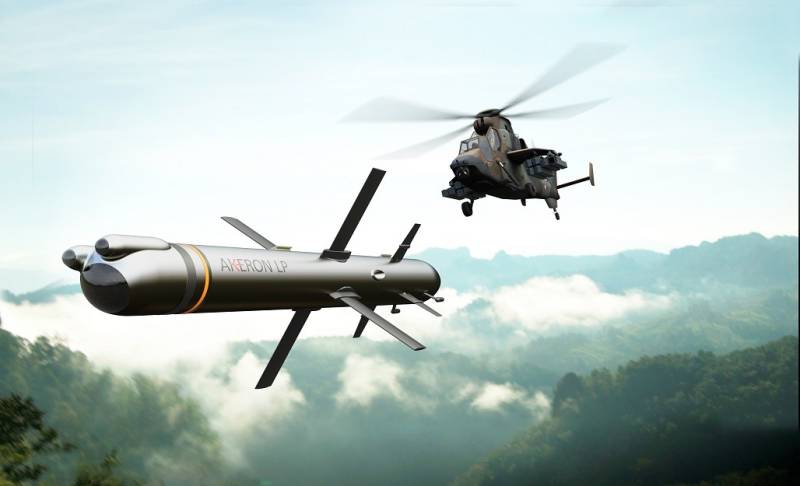

When most people imagine air-to-air combat, they picture sleek fighter jets slicing through the sky, trading missile fire from miles away, not a lumbering helicopter hovering into a dogfight. But while it’s not common, helicopters can and do carry air-to-air missiles. And in certain combat scenarios, they’ve even used them.
Though helicopters are primarily designed for ground attack missions, particularly models like the AH-64 Apache or the Mi-24 Hind, several have been adapted — or even purpose-built — to defend themselves in the skies. The goal isn’t to replace fighter jets. Rather, air-to-air missile capability boosts a helicopter’s survivability in contested airspace by allowing it to defend against enemy helicopters, low-flying aircraft, and increasingly, drones.
Which helicopters are armed for the sky?
In the U.S., two key attack helicopters are equipped for air-to-air engagements:
The Bell AH-1Z Viper, operated by the U.S. Marine Corps, was designed from the ground up to carry the AIM-9 Sidewinder, a well-known air-to-air missile. Though the U.S. doesn’t routinely train its helicopter pilots for aerial dogfighting today, the Viper’s architecture ensures it can handle such a mission if needed.
The AH-64 Apache, flown by the U.S. Army, can be equipped with Air-to-Air Stinger missiles — adapted from the shoulder-launched Stinger system — providing it with some level of aerial engagement capability.
Meanwhile, overseas, Russia’s Mi-24 Hind, a combat-tested Cold War-era gunship, is capable of launching AA-8 Aphid (R-60) missiles, a design also used during the infamous helicopter-versus-helicopter skirmishes of the Iran-Iraq War. Back then, Iranian AH-1Js racked up an astonishing 10:1 kill ratio against Iraqi Mi-24s and Mi-8s, in what remains the only confirmed example of true helicopter dogfighting in military history.
Turkey’s T129 ATAK attack helicopter also joins the club, capable of mounting air-to-air weaponry for defense in close engagements.
What are these missiles really for?
Despite their impressive firepower, these helicopters aren’t designed to go toe-to-toe with F-16s or Sukhois. Their air-to-air missiles serve a more pragmatic purpose — defending against similar aircraft, threats from drones, and low-level aircraft that could otherwise go unchallenged.
Experts point out that air-to-air combat capabilities on helicopters are mainly intended as self-defense tools, not aggressive tactical assets. Still, that capability forces adversaries to think twice before targeting a chopper, knowing it might shoot back.
Training limitations and future outlook
Historically, U.S. military forces experimented with training helicopter pilots in air-to-air combat maneuvers but discontinued the practice due to the toll it took on helicopter airframes. However, the potential for drone threats and asymmetric aerial warfare may once again spark interest in this niche capability.
With increased drone usage and evolving air threats, helicopter-based air-to-air defense might become more relevant than ever — even if it doesn’t look like a scene out of Top Gun.
So, while helicopters aren’t rewriting the rules of air-to-air combat, they’re certainly bending them — just enough to stay dangerous.