
Asia Cup 2025: Mohsin Naqvi’s Stand for Dignity and Respect
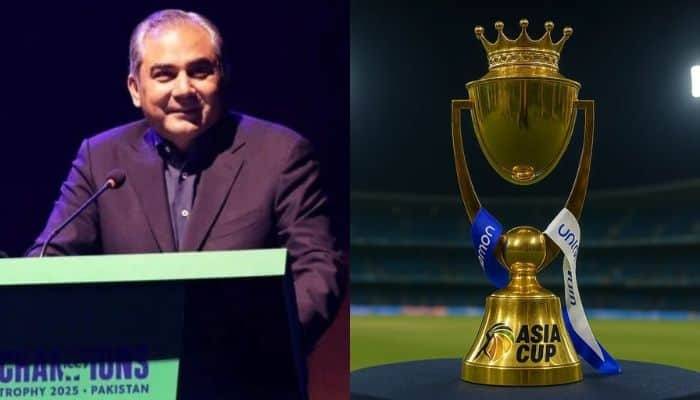

The Asia Cup 2025 should have been remembered for thrilling cricket, but it was overshadowed by a controversy that cut to the heart of the sport. The refusal of Indian players to shake hands with their Pakistani counterparts at the toss and after the match was more than a breach of etiquette. It was a symbolic rejection of the very spirit of cricket, where respect is meant to survive even the fiercest rivalries. For Pakistan, this was not something to be ignored, and Mohsin Naqvi, as Chairman of the PCB and President of the ACC, was right to draw a firm line.
Cricket between India and Pakistan has never been free of politics. Every gesture is magnified. A handshake may look small to outsiders, but in this rivalry it represents something much greater: a recognition of each other’s humanity amid competition. To deny that gesture was to deny respect, and Naqvi’s immediate response made it clear that Pakistan would not accept being treated with disdain. His decision to lodge formal complaints, delay Pakistan’s next match, and demand accountability was not rash; it was necessary.
What strengthened Naqvi’s stance was his willingness to consult rather than act in isolation. Today, he met with two former chairmen, Najam Sethi and Ramiz Raja, to deliberate on the way forward. Both men have carried the burden of Pakistan cricket before, and their inclusion in the discussion demonstrated that this was about more than one individual’s outrage. It was a matter of institutional pride. The image of three chairmen—past and present—standing together sent a message: Pakistan’s cricketing leadership is united when it comes to defending honour.
Some argue that Naqvi risked overreaction, that the PCB should have quietly moved on to avoid disruption. But silence would have been interpreted as weakness. By standing firm, Naqvi compelled an apology from the match referee, exposed the confusion surrounding his role, and forced international cricket authorities to reckon with the seriousness of the breach. This was not about posturing; it was about preserving traditions that are fundamental to the game.
Naqvi also showed balance. He did not call for a boycott, nor did he abandon the players or the fans. By seeking counsel and then allowing the team to proceed once assurances were given, he demonstrated responsibility alongside principle. That is the hallmark of real leadership—defending dignity without losing sight of the bigger picture.
The path ahead must involve more than apologies. There needs to be a transparent inquiry into what occurred, clarity over the referee’s instructions, and firm protocols to prevent such incidents in future high-profile contests. The Spirit of Cricket cannot be left at the mercy of miscommunication. Players, fans, and officials alike deserve better.
In the end, this controversy may be remembered less for the absence of a handshake and more for the presence of leadership. Mohsin Naqvi’s actions have shown that Pakistan will not compromise on respect, that its cricketing traditions will not be eroded, and that its honour will always be defended. By consulting with Sethi and Raja, by insisting on accountability, and by refusing to let the matter slip quietly away, Naqvi ensured that Pakistan’s voice was heard loud and clear.
Cricket is more than just a game in this region; it is a reflection of identity and pride. In choosing principle over convenience, Naqvi reminded us that the dignity of Pakistan’s cricket cannot, and will not, be diminished.