
Over 8.6m children trapped in child labour in Pakistan: UN
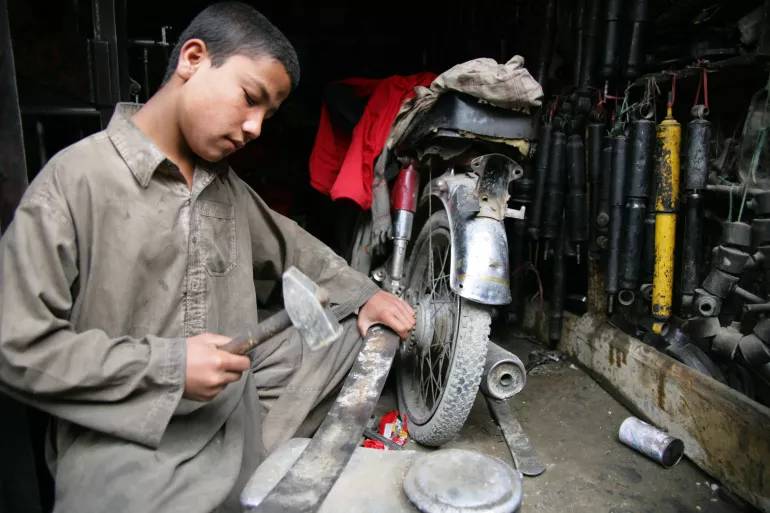

A latest report released by the National Commission for Human Rights (NCHR) and UNICEF has painted grave picture of child labour in Pakistan and revealed that more than 8.6 million children were currently engaged in child labour across the country. The report, released after nearly three decades, warns that over 6.6 million of these children are involved in hazardous work, exposing them to serious risks to their health, education, safety and future prospects.
According to the NCHR-UNICEF report, the situation of child labour in Pakistan has reached an alarming level. The findings show that 8.6 million children are trapped in child labour, with a significant proportion working in conditions considered dangerous and harmful.
Researchers noted that hazardous labour remains one of the most serious threats facing working children, often affecting their physical and mental well-being while limiting educational opportunities.
The report identifies Punjab as the province with the largest number of children engaged in labour. According to the findings, approximately 6.036 million children in Punjab are involved in child labour, making it the most affected province in the country.
The figures highlight the scale of the challenge in Pakistan’s most populous province. Sindh recorded the second-highest number of child labourers, with around 1.610 million children engaged in work.
In Khyber Pakhtunkhwa, more than 745,000 children were found to be working. The report also found that 201,352 children in Balochistan are victims of child labour. Meanwhile, Islamabad recorded 15,180 working children. These figures illustrate that child labour remains a nationwide issue affecting both urban and rural communities.
The report identifies poverty as the leading driver of child labour in Pakistan. According to the findings, the problem is particularly common in households where parents have low levels of education and limited economic opportunities.
Researchers noted that financial hardship often forces families to rely on children's earnings to support household expenses. One of the report’s key findings is that a large proportion of child labour takes place in homes, farms and family-run businesses.
Because many children work within family settings rather than formal workplaces, the issue often remains hidden from public view and official monitoring systems. This makes detection, regulation and intervention significantly more difficult. The report highlights the serious physical and psychological consequences faced by working children. According to the findings, between 32% and 58% of children suffered injuries or illnesses while performing work-related tasks.
Researchers also found that a significant number of children experienced symptoms of depression, underscoring the emotional toll associated with child labour. The report warns that prolonged exposure to hazardous working environments can have long-term consequences for children's development and overall well-being.
Experts warn that unless effective measures are taken to tackle poverty, improve educational access and strengthen child protection mechanisms, the cycle of child labour could continue to affect generations. The findings serve as a stark reminder of the challenges facing Pakistan as it seeks to secure a safer and more prosperous future for its children.