
New differences hang over WHO pandemic vaccine treaty
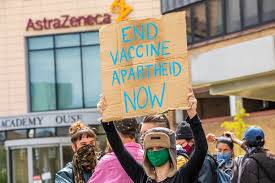

Differences between rich and poor nations over the sharing of vaccines have cast a new shadow over efforts to finalise a UN treaty on combating pandemics, officials acknowledged Wednesday.
"Of course, there are differences between member states, but I can also see that they are closing the gaps," World Health Organisation Tedro Adhanom Ghebreyesus told a press conference ahead of the start of new talks next week.
Sources close to the negotiations said there were divisions between developed and developing countries, as well within those groups, over the degree of regulation to be imposed on companies that make vaccines.
WHO member states agreed a treaty last year on preparations for combatting any future pandemic. Moves toward the treaty started in 2022 after the Coronavirus pandemic exposed widespread inequalities in access to vaccines.
A central part of the treaty sets out the sharing of pathogens with the potential to set off pandemics -- the Pathogen Access and Benefit Sharing System (PABS).
Companies that get access to PABS would have to agree to reserve at least 20 percent of their vaccine production for WHO, with half of that given as a donation.
But countries agreed to take another year to set out the full application of the pathogen access system and these conditions face new scrutiny.
The differences are being hammered out by a WHO inter-government working group chaired by Dedret Emiroglu who said next week's talks would "shape the future of the WHO pandemic agreement".
If an accord is reached it would be given final approval by the WHO's annual assembly in May.
The United States, previously a key contributor, has quit the WHO and started signing bilateral accords with some African countries that give it access to their pathogen data.