
Trump open to direct talks with Iran as Vance-led US delegation heads to Islamabad
Iranian President says will try to end war with ‘integrity, wisdom and expediency’
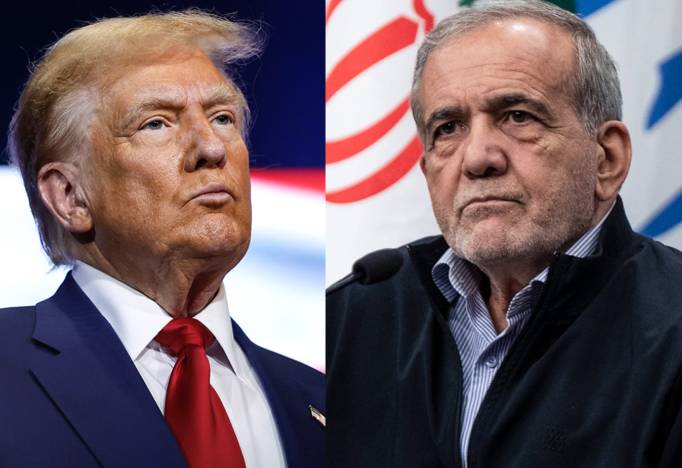

Donald Trump has dismissed Iran’s claims that it may skip the latest round of peace negotiations, expressing confidence that high-stakes talks scheduled in Islamabad will proceed as planned.
In an interview with The New York Post, Trump brushed aside concerns about a potential breakdown in dialogue. “We’re supposed to have the talks… so I would assume at this point nobody’s playing games,” he said.
The US president confirmed that a senior delegation—led by Vice President JD Vance, special envoy Steve Witkoff, and adviser Jared Kushner—is en route to Pakistan to prepare for negotiations.
“They’re heading over now… they’ll be there tonight, Islamabad time,” Trump added.
The upcoming discussions come just days before the expiration of a fragile US-Iran ceasefire, increasing pressure on both sides to reach a diplomatic breakthrough.
Trump also signalled openness to direct engagement with the Iranian leadership if progress is made. “I have no problem meeting them,” he said. “If they want to meet… I have no problem meeting them.”
However, he reiterated Washington’s firm stance on Iran’s nuclear program. “Get rid of their nuclear weapons. That’s all very simple… There will be no nuclear weapon,” Trump stated.
When asked about possible consequences if negotiations fail, he declined to provide specifics but warned of serious repercussions. “You can imagine. It wouldn’t be pretty,” he said.
Meanwhile, Iran’s President Masoud Pezeshkian signalled a measured approach, stressing the need to end the conflict while maintaining national honour.
According to the Islamic Republic News Agency (IRNA), Pezeshkian said Iran is striving to conclude what he described as a war imposed by the United States and Israel “with integrity, wisdom and expediency.”
Speaking during a visit to a fire station, he praised emergency responders and highlighted the challenges that lie ahead following the conflict.
“It is natural that after the conclusion of hostilities, the country will face challenges in reconstruction, securing financial resources, and market control,” he said.
Pezeshkian emphasised that post-war recovery would require careful planning and public cooperation, noting that economic and social pressures would need to be managed effectively.
“These are realities that require meticulous management and public participation,” he said, stressing the importance of unity in overcoming the aftermath of the conflict.
With both sides maintaining firm positions while signalling openness to dialogue, the Islamabad talks are being closely watched as a potential turning point in easing regional tensions.