
Spain's future queen Leonor and evolution of modern monarchy
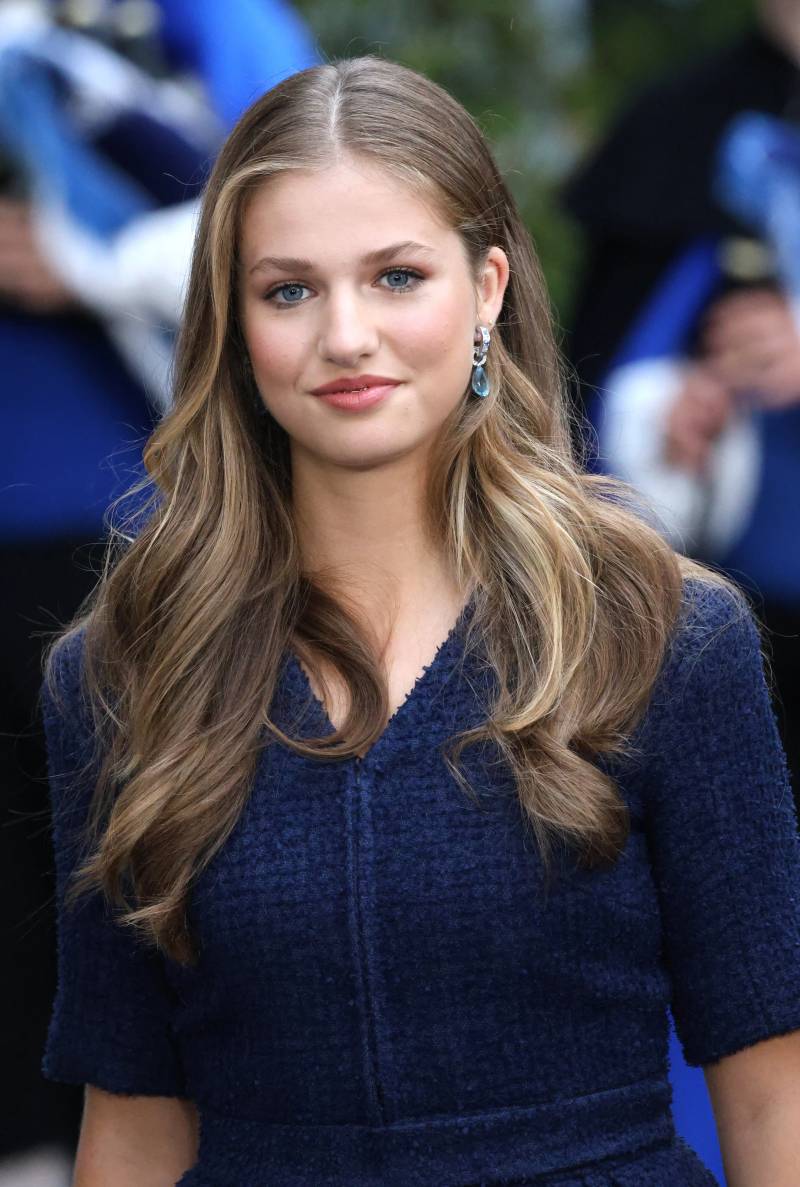

Spain is quietly preparing for one of the most significant constitutional transitions in its modern history. Although King Felipe VI remains firmly on the throne and there is no immediate prospect of succession, the country's institutions are steadily shaping the future of the Spanish Crown through the careful preparation of Princess Leonor. When she eventually ascends the throne, she will become Spain's first reigning queen in nearly 150 years, marking a historic moment that extends far beyond royal symbolism. Her rise represents the convergence of constitutional continuity, institutional modernisation, gender equality, and national identity in twenty-first-century Europe.
Modern constitutional monarchies survive not because of inherited privilege alone but because they adapt to changing political and social realities. Spain's monarchy has experienced turbulent periods throughout its history, including revolutions, dictatorship, exile, and democratic restoration. Since the restoration of democracy, the Crown has sought to redefine itself as a stabilising constitutional institution rather than a centre of political power. Princess Leonor's preparation reflects this philosophy. Rather than merely inheriting a title, she is being educated to become an informed constitutional head of state capable of representing Spain both at home and abroad.
Princess Leonor's position as heir apparent stems from Spain's constitutional succession rules. As the eldest daughter of King Felipe VI and Queen Letizia, and in the absence of a male sibling, she stands first in line to the throne. Upon turning eighteen in 2023, she formally swore allegiance to the Spanish Constitution before Parliament, assuming her responsibilities as Princess of Asturias. That ceremony was more than a constitutional requirement; it symbolised the transfer of public trust from one generation to the next. It demonstrated that Spain views its monarchy as an institution accountable to constitutional principles rather than hereditary privilege alone.
The historical significance of Leonor's future reign cannot be overstated. Spain last had a reigning queen when Queen Isabella II ruled from 1833 until 1868. Since then, the Spanish throne has been occupied exclusively by male monarchs. Leonor's eventual accession will therefore end nearly a century and a half of exclusively male succession. Yet the importance of this transition lies not simply in gender. Rather, it reflects the broader transformation of European societies where leadership is increasingly judged by competence, preparation, and public service instead of traditional assumptions about gender roles.
Perhaps the most striking aspect of Leonor's preparation has been her comprehensive military education. Like her father before her, she completed a demanding three-year military training program across Spain's Army, Navy, and Air Force. Beginning at the General Military Academy in Zaragoza, continuing through the Naval Academy and the historic training ship Juan Sebastián Elcano, and concluding at the General Air Academy in Murcia during 2025 - 26, her training exposed her to every major branch of the Spanish armed forces.
This extensive military education carries constitutional significance. Under Spain's constitutional framework, the monarch serves as the Supreme Commander of the Armed Forces. Although operational military decisions remain firmly under the democratic government, the monarch performs an important symbolic role in maintaining unity between civilian institutions and the military.
Leonor's participation in demanding exercises, including parachute training and advanced operational instruction, demonstrates that her future responsibilities are being treated with seriousness rather than ceremony alone. Her recognition for outstanding performance within the Air Force further reinforces the perception that she has earned respect through discipline and merit.
Military preparation, however, represents only one dimension of her broader education.
Following the completion of her defence training, Princess Leonor is expected to pursue higher studies in politics and international affairs. This educational path is equally significant because modern monarchs increasingly function as diplomats, constitutional guardians, and international representatives. They must understand global politics, economics, international law, diplomacy, and the complexities of multicultural societies. Academic preparation in these disciplines will strengthen her ability to perform these constitutional responsibilities with greater effectiveness.
Another notable feature of Leonor's journey is the deliberate balance between tradition and modernisation. Spain has preserved many historic royal customs while simultaneously adapting them to contemporary democratic expectations. The future queen's education reflects this balance perfectly. Military discipline represents continuity with centuries of royal tradition, while university education in political science and international affairs reflects the demands of modern governance. Together, they produce a model of constitutional leadership that values both heritage and innovation.
The role of Queen Letizia has also quietly influenced this evolving image of the monarchy. Before joining the royal family, she enjoyed a successful career as a respected journalist. Her professional background introduced a more contemporary public image into the Spanish monarchy, emphasising professionalism, education, and accessibility. Combined with King Felipe VI's efforts to strengthen institutional transparency and public confidence, the royal family's approach has helped modernise the Crown's relationship with Spanish society. Princess Leonor appears poised to continue this gradual evolution.
Leonor's future reign will also resonate beyond Spain's borders. Across Europe, constitutional monarchies continue to evolve alongside democratic institutions. Several royal families have already embraced gender equality in succession laws, reflecting changing societal values. Although Spain still maintains male-preference primogeniture, Leonor's position demonstrates that women are increasingly assuming the highest constitutional responsibilities within Europe's monarchies. Her future accession will therefore be watched closely not only by Spaniards but also by observers across Europe and beyond.
Equally important is the message Leonor's preparation sends to younger generations. In an era when public confidence in institutions often faces challenges, the Spanish monarchy appears determined to demonstrate that leadership requires preparation, education, discipline, and public service. Rather than relying solely on hereditary status, Leonor's extensive military and academic training presents an image of responsibility earned through sustained effort. This approach strengthens the monarchy's democratic legitimacy and reinforces the principle that constitutional leadership carries obligations rather than privileges alone.
The Spanish monarchy still faces challenges, including political polarisation, regional tensions, and periodic debates regarding the future of the institution itself. Yet these realities make careful succession planning even more important. Stable constitutional monarchies derive much of their strength from predictability, continuity, and public confidence. By investing years in Princess Leonor's comprehensive preparation, Spain seeks to ensure that whenever the transition eventually occurs, it will be smooth, constitutional, and reassuring for both domestic and international audiences.
Princess Leonor's future accession will therefore represent much more than the crowning of another monarch. It will symbolise the successful adaptation of one of Europe's oldest royal institutions to the expectations of a modern democratic society. Nearly 150 years after Queen Isabella II, Spain is preparing once again for a reigning queen—but this time, she will inherit a constitutional monarchy shaped by democracy, accountability, education, and public service. Whether viewed through the lens of history, constitutional governance, or women's leadership, Leonor's journey illustrates how enduring institutions remain relevant by embracing change while preserving continuity. Spain's future queen is not merely preparing to wear a crown; she is preparing to uphold the values and responsibilities that define modern constitutional leadership.