
Haris Khokhar denies abuse claims by Dr Nabiha Ali Khan
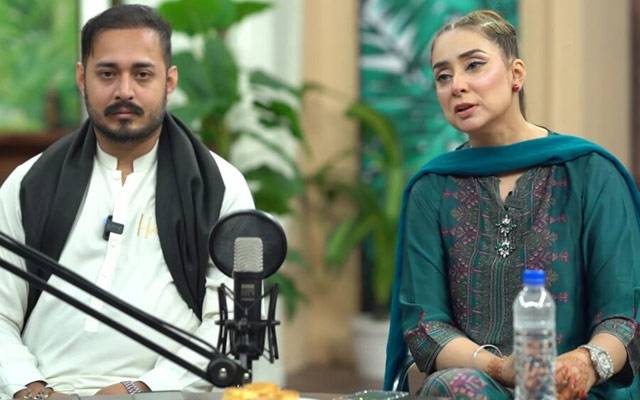
Haris Khokhar, husband of Dr. Nabiha Ali Khan, has denied her recent social media claims that she was mentally tortured by her in-laws.
Addressing allegations about Dr. Nabiha’s well-being, Haris said that while a woman’s appearance can change if she is unhappy, this does not prove mistreatment.
He urged people to compare Dr. Nabiha’s photos from before and after her marriage, stating that they clearly show whether she was content.
Haris also rejected claims that Dr. Nabiha was mistreated at home, including reports that she received meals in bed or had staff wash her clothes, adding that he has proof, including home CCTV footage.
He refuted allegations that she was evicted, stating that the footage shows she packed her own belongings and left voluntarily without informing anyone.
Defending his family’s honor, Haris emphasized that there were no disputes at home and that his wife is respected and honored. He added that a person of good character should not make baseless accusations and that divine justice ultimately prevails.
نبیحہ کو سسرال میں کھانا بھی بیڈ پر ملتا تھا، شادی کے بعد تو وہ صحتمند ہو گئی تھیں، حارث کا نبیحہ کے الزامات پر ردعمل pic.twitter.com/zziatJQdpM
— Muqadas Farooq Awan (@muqadasawann) February 21, 2026
He further shared a philosophical note, stating that a woman’s emotions or tears do not automatically indicate truth, just as a man’s inability to cry does not make him unfeeling. Strength and sincerity, he emphasized, cannot be judged solely by outward expressions.
The statement comes after Dr. Nabiha’s appearance on a Ramadan transmission hosted by Fiza Ali, during which she alleged that she had been subjected to mental and physical torture by her in-laws for two months. She claimed she left everything behind for her marriage but was mistreated and eventually forced to leave her husband’s home.
In the viral clip, she questioned her husband, Haris Khokhar, asking why her life had been “ruined” and alleging that she had been thrown out of the house.
Dr. Nabiha described mental torture as more painful than any other form of suffering, saying the psychological stress had severely affected her health. She also raised concerns about the plight of other women facing similar circumstances, questioning what less privileged women endure if someone educated like herself could be subjected to such treatment.
During the transmission, Dr. Nabiha became visibly emotional while speaking about her marital problems and the lack of support she experienced.