
Pakistan’s Diplomatic Moment: The US–Iran Deal, Geneva’s Symbolism, and Multilateral Diplomacy
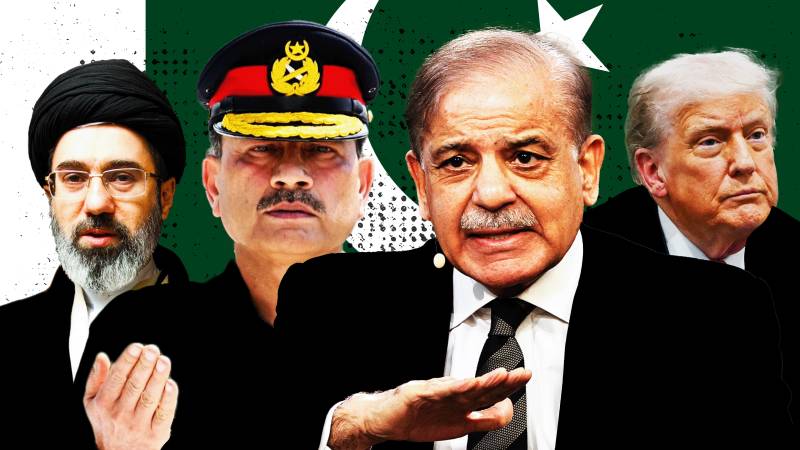

The successful conclusion of the recent US–Iran agreement has generated intense debate among diplomats, strategic analysts, and policymakers across the world. Beyond the immediate objective of reducing tensions between Washington and Tehran, the agreement has opened a broader discussion about Pakistan’s emerging diplomatic relevance, the significance of Geneva as the venue for the final accord, and the renewed importance of international institutions in managing global crises. While the deal is primarily viewed through the lens of American and Iranian interests, Pakistan’s role as a facilitator has elevated its standing in regional and international diplomacy in ways that could have long-term strategic implications.
For decades, Pakistan has often been perceived internationally through the prism of security challenges, regional rivalries, and economic constraints.
Successful diplomatic engagement between adversarial powers provides an opportunity to reshape that narrative. By helping create an environment conducive to dialogue, Pakistan demonstrated that it possesses channels of communication and credibility with both Washington and Tehran that few countries can claim simultaneously. Such a role enhances Pakistan’s image as a bridge -builder rather than merely a frontline state reacting to regional crises.The most significant achievement for Pakistan is not financial or military; it is diplomatic capital. In international relations, influence is often measured by a state's ability to bring rivals to the negotiating table.
Pakistan's involvement in facilitating dialogue projects an image of strategic maturity and diplomatic responsibility. Regionally, it strengthens Pakistan’s standing in the Muslim world and among neighboring states that seek stability rather than confrontation. Globally, it allows Islamabad to present itself as a constructive stakeholder in conflict resolution, potentially increasing its leverage in future discussions involving regional security, trade, and international cooperation.
Geneva has long been associated with neutrality, diplomacy, and international negotiations. For decades, it has hosted some of the world's most consequential agreements, from arms-control negotiations to humanitarian conventions. Holding the final signing ceremony in Geneva transformed the agreement from a bilateral understanding into a matter of broader international legitimacy. While Islamabad may have been instrumental in facilitating dialogue, Geneva offered a neutral and globally recognized diplomatic stage that neither side could easily object to.
The choice of Geneva also reflects political sensitivities within both Washington and Tehran. American policymakers may have preferred a venue associated with international diplomacy rather than appearing to negotiate under the auspices of a regional actor. Similarly, Iran could present the agreement domestically as a sovereign diplomatic achievement concluded in a neutral international environment rather than under the shadow of any particular country. Thus, Geneva provided both sides political comfort and strategic flexibility.
Some observers argue that Geneva offered a psychological advantage to the US. This interpretation stems from the perception that Western diplomatic institutions and international forums are traditionally more familiar territory for American diplomacy. Such a conclusion may oversimplify the realities of modern negotiations. Iran has participated in numerous international discussions in Geneva over the years and is well accustomed to operating within multilateral frameworks. Therefore, the venue itself is unlikely to have altered the substantive balance of negotiations.
A more compelling explanation is that Geneva's selection indirectly linked the agreement to the broader architecture of international governance represented by the UN system. Although Geneva is not the headquarters of the UNSC, it remains one of the most important centers of UN activity. By finalizing the agreement there, both parties signaled that their understanding was not merely a transactional arrangement but part of a larger effort to stabilize regional and international security.
This brings us to another important dimension of the agreement: the apparent return of multilateral diplomacy. During periods of heightened tensions, particularly under Trump’s earlier foreign policy approach, critics frequently argued that Washington was increasingly willing to bypass international institutions in favor of unilateral action. The decision to strike Iran without broad international consensus reinforced those perceptions among many observers.
Military action and diplomatic resolution operate according to different strategic logics. Military operations may be conducted unilaterally, but sustainable peace rarely is. History repeatedly demonstrates that conflicts can begin through force but generally end through negotiation. The emergence of a negotiated settlement underscores a fundamental reality of international politics: no matter how powerful a nation may be, long-term stability often requires legitimacy, dialogue, and international acceptance.
In this sense, the agreement can be viewed as a broader acknowledgment of the continuing relevance of the UN and multilateral diplomacy. While international organizations are frequently criticized for inefficiency, they remain among the few platforms capable of providing neutral ground for adversaries to engage. Geneva’s role as the venue for the final agreement sends a powerful message that international institutions continue to matter, particularly when the stakes involve regional stability and global security.
One of the most significant implications of the agreement is its potential impact on the ME and South Asia. Reduced tensions between the US and Iran could lessen the risk of wider regional conflict, stabilize energy markets, and create opportunities for economic cooperation. For Pakistan, such stability is strategically valuable. A peaceful regional environment allows Islamabad to focus greater attention on economic development, trade connectivity, and domestic priorities rather than constantly managing the consequences of geopolitical crises.
Pakistan’s participation in diplomatic efforts strengthens its argument that it should be viewed as a solution provider rather than a source of instability. This distinction is crucial in an era when international influence increasingly depends on diplomatic credibility. If Pakistan can consistently position itself as a facilitator of dialogue, it may expand its role in future regional initiatives involving Afghanistan, the Gulf states, Central Asia, and beyond.
Diplomatic agreements often face challenges after the celebratory ceremonies conclude. Domestic political pressures, changes in leadership, shifting strategic calculations, and regional developments can all undermine even the most carefully negotiated arrangements. The durability of the U.S.–Iran agreement will depend not on where it was signed but on whether both sides continue to perceive implementation as serving their long-term interests.
The U.S.–Iran agreement represents more than a bilateral diplomatic breakthrough. It highlights Pakistan’s growing relevance as a facilitator of dialogue, demonstrates the enduring value of neutral diplomatic venues such as Geneva, and reinforces the importance of multilateral institutions in resolving complex international disputes. While Geneva provided international legitimacy and political neutrality, Pakistan’s contribution lies in helping create the conditions that made diplomacy possible.The agreement serves as a reminder that even in an age of military power and geopolitical competition, negotiation remains the ultimate instrument of lasting peace. For Pakistan, this moment offers not merely recognition but an opportunity to build a more influential and respected role in global diplomacy for years to come.