
Govt will review 'disproportionate burden' on salaried class due to high taxes: FinMin
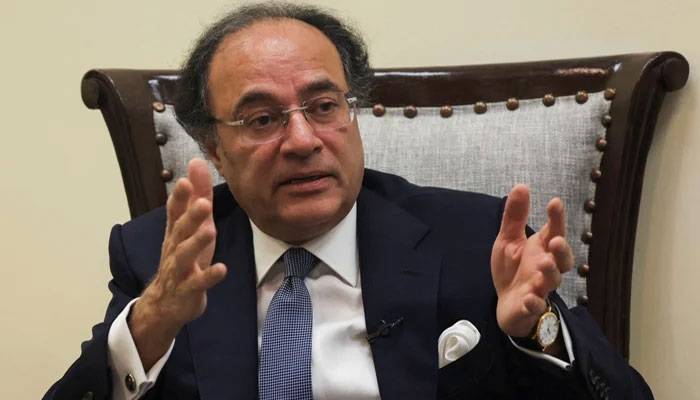

Pakistan's Finance Minister Muhammad Aurangzeb announced on Sunday that the government will review the "disproportionate burden" placed on the country's salaried class due to high taxes. He called on other sectors to “step up” and help address the issue.
Last year, Pakistan passed a Rs13 trillion ($46.66 billion) national budget to support its case for an International Monetary Fund (IMF) bailout deal. The budget increased tax liabilities by Rs22,500 ($80.50) for individuals earning more than Rs50,000 ($178.89) per month. The government also imposed higher income taxes on salaried workers deemed to be "high earners" in 2023.
This move sparked backlash from the salaried class, including the Salaried Class Alliance of Pakistan, which warned of a potential brain drain and expressed concerns about being already burdened by high taxes, rising inflation, and strained incomes.
“The manufacturing industry and the salaried class have borne a disproportionate burden,” Aurangzeb told reporters. “We will make every effort to review this in the next budget and work toward rationalizing it.”
The finance minister emphasized that other sectors and income groups must also contribute more in taxes. He highlighted that, for the first time, Pakistan’s provincial assemblies had passed an agriculture income tax bill.
“In the same way, our brothers and sisters in the real estate, wholesale, and retail sectors will also have to step up, so that the burden on other categories can be more fairly distributed,” Aurangzeb added.
In response to a question, Aurangzeb stated that Pakistan’s diaspora abroad was pleased with the government’s policies. He expressed gratitude to overseas Pakistanis for their continued contributions, noting the increase in remittances each month.
“The way remittances are growing, we expect them to reach around $35 billion this year, up from $30.2 billion last year,” Aurangzeb said.