
Govt asked to prioritise prevention of diabetes, HIV and hepatitis over new projects
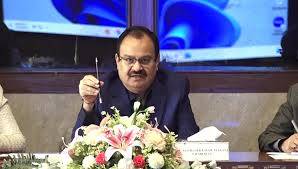

The National Assembly Standing Committee on National Health Services on Tuesday directed the government to prioritise the prevention and treatment of diabetes, HIV, hepatitis and other life-threatening diseases instead of launching new infrastructure projects in the health sector.
The committee met under the chairmanship of MNA Dr Mahesh Kumar Malani, where members reviewed the Public Sector Development Program (PSDP) proposals for the fiscal year 2026-27 and approved the minutes of the previous meeting. An implementation report on earlier recommendations was also presented.
During the session, the committee examined 33 new development projects, including 19 schemes of the Ministry of National Health and 10 initiatives based on the Prime Minister’s directives. However, the panel rejected most of the new PSDP projects, instructing the ministry to focus on completing ongoing and priority schemes to prevent delays, cost escalation and inefficiency.
The chairman stressed that diabetes, HIV, hepatitis C, infant mortality and malnutrition should be treated as national emergencies. He emphasized prioritising prevention, screening and treatment over construction of new buildings.
Serious concerns were raised over the deteriorating condition of hospitals and Basic Health Units (BHUs), particularly in the federal capital. Committee member Zahra Wadood Fatemi noted that in many centres, lady health workers were working as doctors, while several facilities lacked even basic services. The ministry acknowledged staff shortages and limited working hours at many BHUs, prompting the committee to seek a comprehensive report on 24-hour services, staffing gaps and performance indicators.
The situation at Pakistan Institute of Medical Sciences (PIMS) also came under discussion. Dr. Shazia Sobia Aslam Soomro claimed that an MRI machine at the hospital had been non-functional for three months, delaying surgeries, though hospital authorities maintained that both MRI machines were operational.
The committee expressed anger over the prevalence of fake doctors and illegal clinics. Members alleged that nearly 90 percent of clinics were being run by unqualified individuals and that sealed facilities often reopened within days. Dr. Shazia Sobia claimed that illegal kidney transplants were being carried out openly in Islamabad, referring to a recent raid by the FIA in Chak Shahzad where suspects escaped. Officials informed the committee that 110 fake clinics had recently been sealed and notices issued to blood banks, but the panel sought detailed reports.
Concerns were also voiced about rising hepatitis and HIV cases. Members observed that Pakistan ranks among the top countries in hepatitis and diabetes prevalence, while accurate statistics remain unavailable. The committee described the HIV/AIDS situation as alarming and called for increased funding, national surveys and effective prevention measures. Questions were also raised over reduced allocations for hepatitis programmes.
Health Ministry officials said initial screening would begin in Islamabad, Azad Kashmir and Gilgit-Baltistan before expansion to provinces. However, the committee termed the briefing incomplete, citing missing details regarding approvals, costs and timelines of projects by CDWP and ECNEC. The chairman directed officials to submit complete documentation, including approval status, funding details and reasons for project revisions, before the next meeting.
Reservations were also expressed regarding the Jinnah Medical Complex project, with MNA Alia Kamran questioning its completion timeline. Other priority projects identified by the committee included the National Institute of Rehabilitation Medicine, strengthening of the Federal Medical College, 24-hour functional BHUs, the Mithi (Tharparkar) project, anti-sera laboratories, vaccine facilities, Sheikh Zayed Hospital projects and the upgradation of rural health centers.
The meeting was attended by MNAs Zahra Wadood Fatemi, Farah Naz Akbar, Dr. Shazia Sobia Aslam Soomro, Dr. Shaista Khan, Dr. Nikhat Shakeel Khan, Alia Kamran, Farrukh Khan, Dr. Darshan and Sabeen Ghauri, along with senior officials of the ministry and its attached departments.