
Woman is entitled to Haq Mehr sans dissolution of marriage, rules LHC
Court orders payment of Haq Mehr in event of second marriage sans first wife’s nod
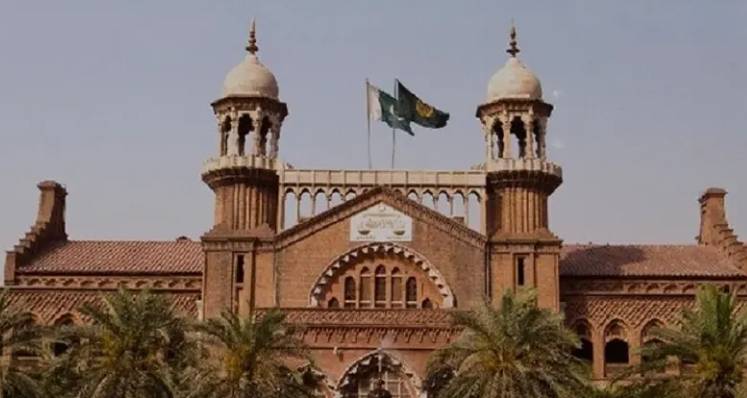

What could be termed a judicial precedent, the Lahore High Court (LHC) on Tuesday, while declaring a trial court’s verdict null and void, ruled that a wife was entitled to Haq Mehr even if her marriage had not been dissolved or her husband had not died, reported 24NewsHD TV channel.
The LHC further said that the husband was bound to pay Haq Mehr to his wife even if the time for the payment of the amount had not been laid down in the Nikah Nama (marriage certificate).
Similarly, the court ruled that it was obligatory on the husband to immediately pay Mehr to his first wife in the event of second marriage without her consent.
The LHC, however, upheld the appellate court’s verdict on dowry and alimony.
A woman named Saadia Usman had filed a petition, seeking court order to her husband to pay her alimony, dowry and five tolas of gold in Haq Mehr.
Earlier, the family court had ordered her husband to pay her Rs5,000 every month and Haq Mehr.
However, the court rejected part of the woman’s plea concerning the payment of dowry.
Both parties later challenged the family court’s decision in the trial court, which upheld the former’s decision concerning alimony and dowry.
However, it rejected the part of the woman’s petition related to Haq Mehr.
Later, the woman challenged the trial court’s verdict in the LHC.
In her appeal, she stated that the court by denying her the payment of Haq Mehr had done injustice to her.
The high court, however, said that the appellate court’s ruling on the payment of dowry was right.
However, it said that part of the decision concerning Haq Mehr was flawed.
The LHC upheld the family court’s verdict on Mehr. “The petition is partly accepted,” the high court said.
Elaborating further, the court said that Mehr was the bride’s special and legal right, which could be in the form of cash or property or both.
The LHC recalled that even the Supreme Court (SC) had accepted the principle of payment of Mehr on demand.