
PMA leader urges govt to promote Chinese, Russian language education for regional cooperation
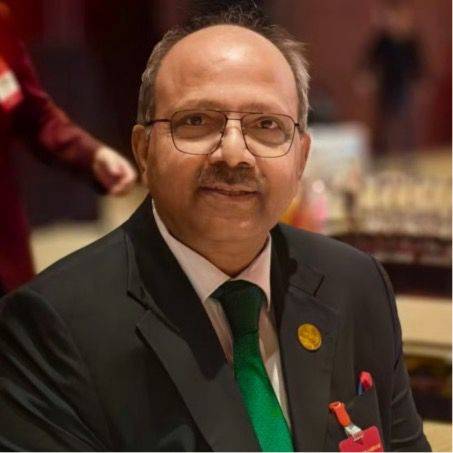

A senior academic and medical leader has urged the government to introduce Chinese as a compulsory subject in schools nationwide and promote Russian language education in universities to strengthen regional cooperation and international engagement, 24NewsHD TV reported on Sunday.
Prof Ashraf Nizami, Central Chairman for International Affairs of the Pakistan Medical Association (PMA), while talking to 24News exclusively, said Pakistan should adopt modern language education as part of its national policy in view of expanding diplomatic, educational, and economic ties with regional powers.
Nizami called on the government to introduce Chinese language teaching across schools in Pakistan on the pattern already adopted in Sindh province.
He said the move was necessary due to growing educational, trade, and diplomatic relations between Pakistan and China and would help the younger generation benefit from global opportunities in technology, commerce, and international relations.
Nizami also stressed the importance of promoting Russian language education in universities to improve ties and academic cooperation with member states of the Shanghai Cooperation Organisation (SCO).
The push aligns with recent efforts by Russian diplomats to promote Russian language courses and open cultural centers in Pakistan.
"Languages bridge the gap between nations and strengthen economic and cultural ties,” he said, adding that modern language education could help Pakistan enhance regional cooperation, educational progress, and diplomatic stability.
He said such initiatives would contribute to building a stronger and more globally connected Pakistan.
Referring to the long-standing relationship between Pakistan and China, Nizami said the completion of 75 years of diplomatic friendship between the two countries reflected mutual trust, strategic cooperation, and shared regional interests.
He said Pakistan-China ties had consistently been based on mutual respect, economic cooperation, defence coordination, and regional stability, adding that the friendship should now be effectively passed on to younger generations to ensure stronger relations in the future.