
Diabetes drug may help repair liver damage
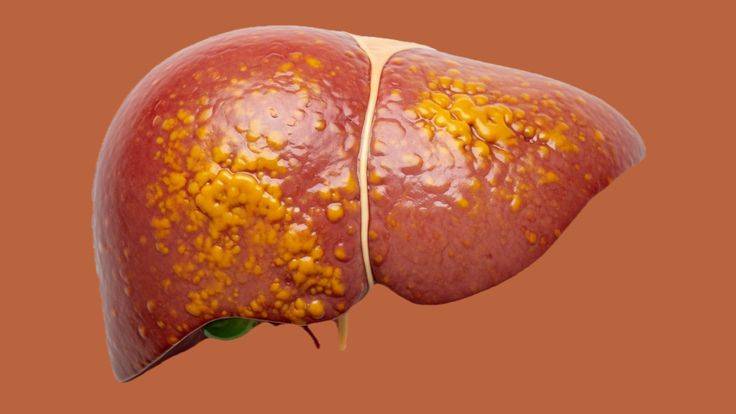

A medication widely used to treat type 2 diabetes and obesity may also help repair liver damage caused by advanced fatty liver disease, according to a new international clinical trial.
Fatty liver disease has become one of the fastest-growing health conditions worldwide. Closely associated with obesity, type 2 diabetes, and excess body weight, the disease can progress to metabolic dysfunction-associated steatohepatitis (MASH), a serious condition in which fat accumulation in the liver causes chronic inflammation. Over time, this inflammation can lead to fibrosis (liver scarring), cirrhosis, liver failure, or the need for a liver transplant.
Treating advanced MASH has long been a challenge for doctors, particularly once patients develop cirrhosis. While lifestyle changes—including weight loss, a healthy diet, and regular exercise—remain the cornerstone of treatment, effective drug therapies have been limited.
A new phase 2 clinical trial led by researchers at the University of California San Diego School of Medicine offers fresh hope. Published on July 15, 2026, in The Lancet Gastroenterology & Hepatology, the study found that semaglutide, a GLP-1 receptor agonist already approved for diabetes and obesity, significantly improved liver scarring in patients with advanced MASH.
Semaglutide works by lowering blood sugar levels, reducing appetite, and promoting weight loss. Researchers believe these effects may also benefit the liver by addressing obesity and insulin resistance, two major contributors to fatty liver disease.
The trial involved approximately 700 adults with biopsy-confirmed MASH. Many participants had moderate to severe liver fibrosis, while some had compensated cirrhosis—an early stage of cirrhosis in which the liver continues to function relatively well.
Researchers initially aimed to determine whether combining semaglutide with the experimental drug zalfermin would provide greater benefits than either treatment alone. However, the combination failed to outperform placebo.
Despite this, semaglutide alone produced encouraging results. Patients receiving the drug experienced significant improvement in liver fibrosis without worsening the inflammation responsible for ongoing liver damage. Importantly, these benefits were also observed in patients with more advanced stages of the disease.
The study also suggested that blood tests and imaging scans may be more effective than repeated liver biopsies for monitoring treatment progress. Since biopsies are invasive, costly, and difficult to perform regularly, this finding could improve future patient care.
Researchers cautioned that further studies are required before semaglutide can be recommended as a standard treatment for advanced MASH. Larger phase 3 clinical trials will be needed to determine whether the drug can slow disease progression, prevent liver failure, or reduce the need for liver transplantation. They also noted that medicines similar to zalfermin may still prove beneficial with further research.
Even so, the findings represent one of the strongest pieces of evidence to date that GLP-1 medications could play an important role in treating advanced fatty liver disease. Because semaglutide is already widely prescribed and has a well-established safety profile, experts believe its potential use for liver disease could be accelerated if future studies confirm these results.
Expert Analysis
The study is considered particularly significant because it was a large, well-designed international phase 2 clinical trial involving around 700 patients with biopsy-confirmed MASH. While the findings demonstrate that semaglutide can improve liver fibrosis, they do not yet prove that it can prevent liver failure, reduce the need for transplantation, or improve long-term survival. Nevertheless, the results provide strong evidence that targeting metabolic health through GLP-1 medicines may offer a promising new treatment strategy for patients with advanced fatty liver disease.