
UCHS holds webinar on Programming Health Early: The Role of Nutrition, the Microbiome and Epigenetics in Childhood
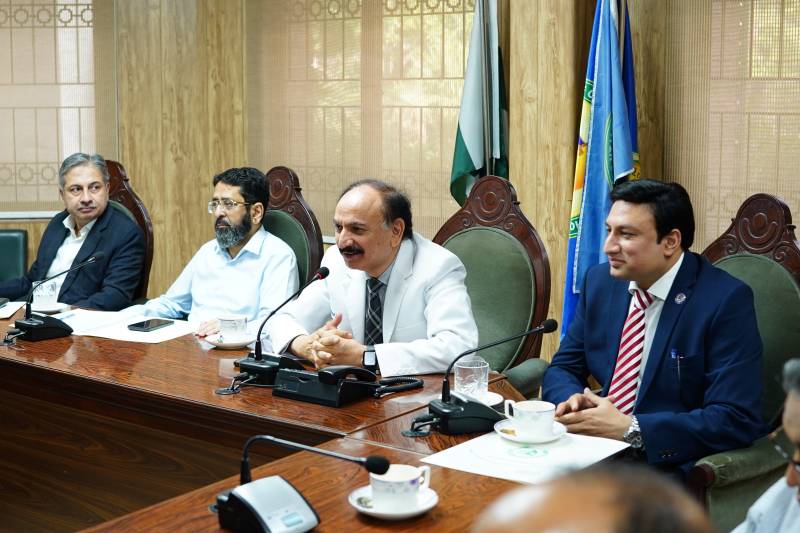

The University of Child Health Sciences Lahore, in collaboration with Pakistan Pediatric Association Lahore, conducted its monthly academic webinar on “Programming Health Early: The Role of Nutrition, the Microbiome and Epigenetics in Childhood.”
The session brought together paediatricians, faculty members, postgraduate trainees, and healthcare professionals from across Pakistan for an engaging and thought-provoking discussion on preventive child health and early-life programming
The webinar commenced with a welcome address by Prof. Masood Sadiq, Vice Chancellor, University of Child Health Sciences Lahore (UCHS), who emphasized that healthy nutrition during infancy and early childhood is essential for building a strong and healthy nation. He highlighted the importance of preventive child health strategies and thanked Prof. Huma Arshad Cheema for joining the webinar and sharing her valuable expertise.
The session was moderated by Dr. Wajiha Rizwan, Associate Professor, UCHS, while the question and answer session was conducted by Dr. Javeria Raza Alvi.
The keynote talk was delivered by Prof. Huma Arshad Cheema, Professor Emeritus of Pediatric Gastroenterology Hepatology, University of Child Health Sciences Lahore. In her comprehensive presentation, she discussed the growing impact of nutrition, the gut microbiome, and epigenetics on long-term child health outcomes. She highlighted that childhood health is biologically programmed long before many diseases become clinically evident and emphasized the importance of the first 1000 days of life.
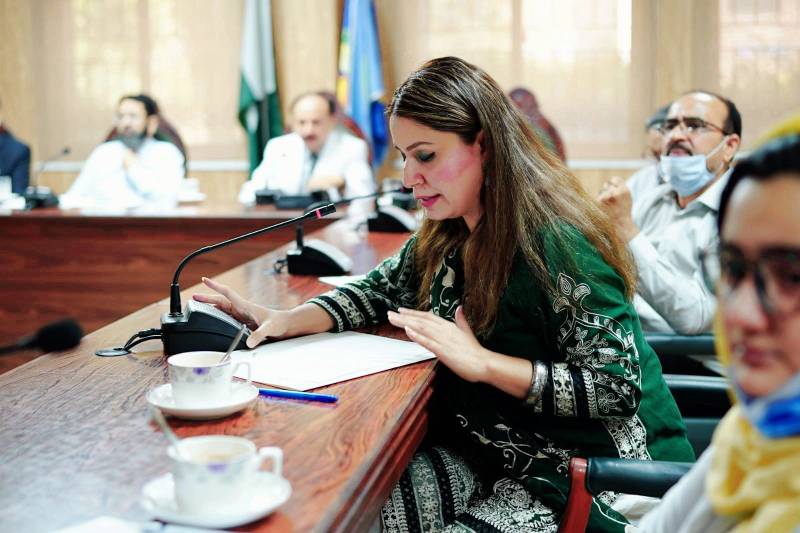
Prof. Huma elaborated on how maternal nutrition, environmental exposures, delivery mode, feeding practices, and antibiotic exposure influence the infant microbiome and immune development. She emphasized that breastfeeding remains the single most important determinant of healthy microbiome development and future immunity. She also discussed the harmful impact of processed foods, repeated antibiotic exposure, poor maternal health, and inappropriate feeding practices on childhood nutrition and future disease risk.
During the panel discussion, *Prof. Faryad Hussain* highlighted that early-life microbiome and epigenetic factors significantly influence the development and severity of childhood asthma. He explained that although probiotics, prebiotics, synbiotics, and human milk oligosaccharides have an established role in immune modulation and microbiome health, no probiotic is currently universally recommended for routine asthma prevention or treatment. He further emphasized that preventive measures should focus on optimal maternal health, avoidance of smoking and allergen exposure during pregnancy, normal vaginal delivery, and exclusive breastfeeding during the first six months of life.
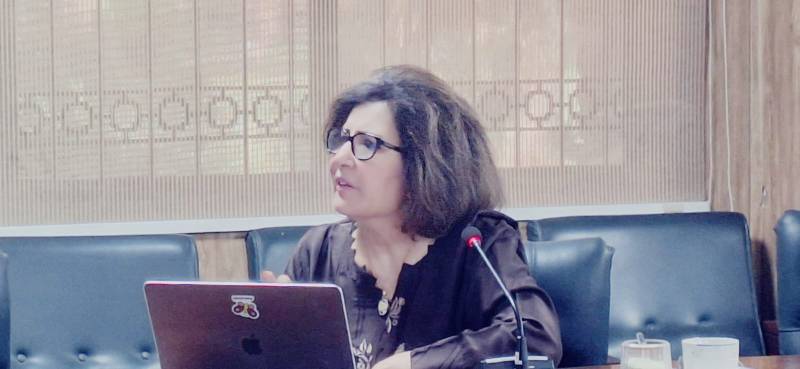
Prof. Anjum Saeed reinforced the importance of breastfeeding, rational antibiotic use, and healthy nutritional practices during infancy. He endorsed the key concepts highlighted by Prof. Huma regarding the role of microbiome-friendly nutrition and early-life feeding practices in reducing long-term gastrointestinal and immunological disorders.
Prof. Junaid Rashid emphasized the importance of preventive paediatrics through promotion of breastfeeding, avoidance of unnecessary antibiotic exposure, and early initiation of lactation soon after birth. He stressed that simple preventive measures during early infancy can significantly improve lifelong health outcomes.
Dr. Kaleem Malhi, General Secretary, Pakistan Pediatric Association Punjab, stated that PPA Punjab can help integrate nutrition, microbiome science, and epigenetics into pediatric training, policy, and preventive child health programs by promoting education, breastfeeding, healthy nutrition, rational antibiotic use, research, and evidence-based national guidelines. He emphasized that focusing on the first 1000 days of life can help prevent many future diseases and improve lifelong health outcomes for children in Pakistan. He further added that the overall goal should be to move from “treating disease” toward “preventing disease” through improved early-life nutrition and care, thereby improving the future health, learning ability, and productivity of children in Pakistan.
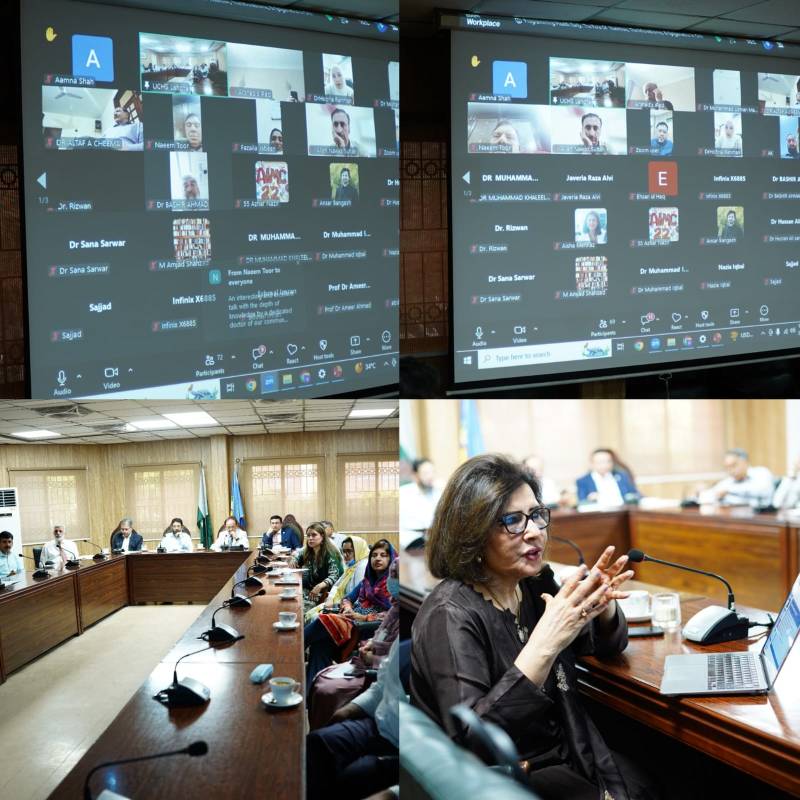
During the interactive session, Dr. Maimoona and Dr. Arooj presented questions on behalf of postgraduate residents and actively engaged with the panellists regarding practical implementation of microbiome-friendly child health strategies in clinical settings.
The webinar concluded with a vote of thanks by Prof. Tipu Sultan, Medical Director CHL and Vice President PPA Punjab, who appreciated the contributions of all speakers, moderators, panellists, faculty members, and participants for making the session academically enriching and highly interactive.
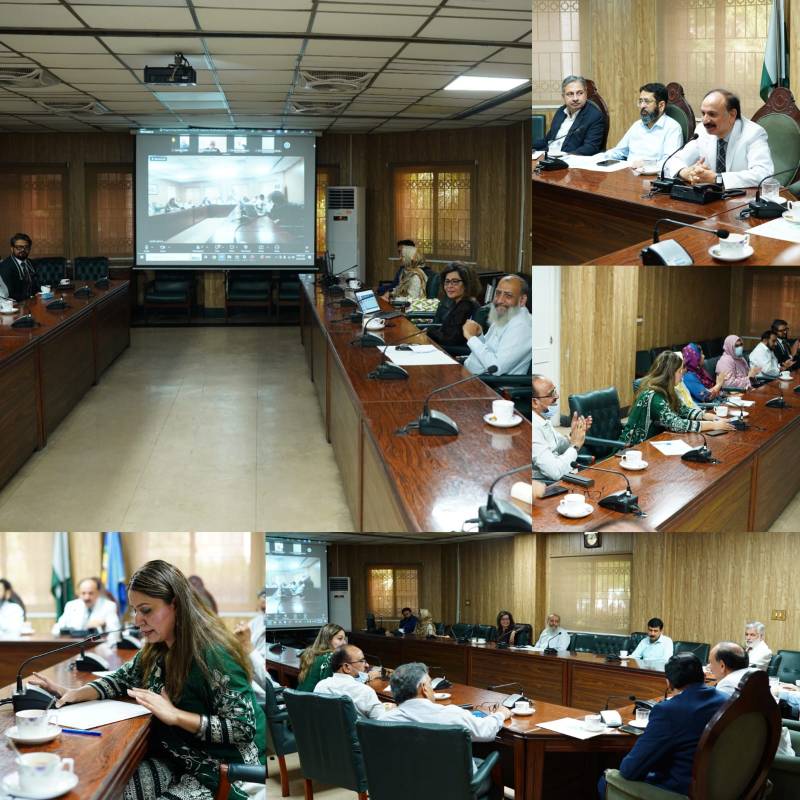
Special thanks were extended to Dr. Altaf Cheema for joining the webinar along with family physicians and to paediatricians from across the country whose active participation contributed significantly to the success of the session.