
US judge stops Trump admin from detaining British free speech campaigner
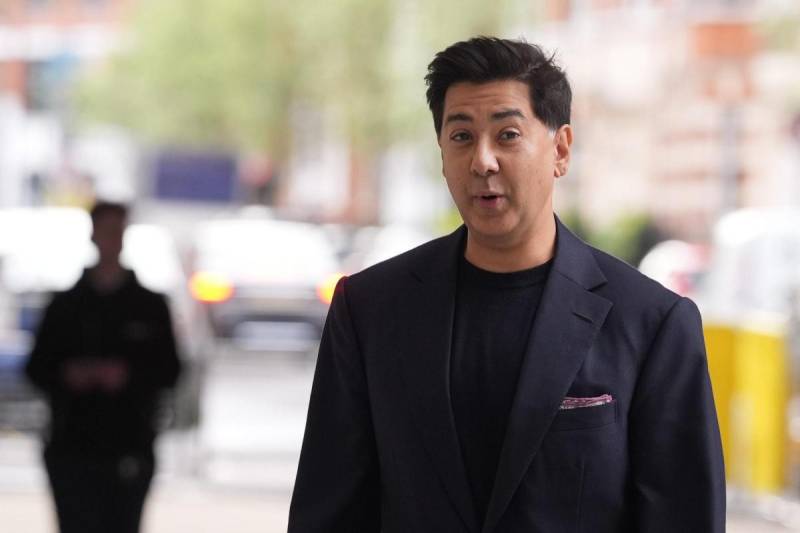

A US federal judge has temporarily prevented the Trump administration from detaining British anti-disinformation activist Imran Ahmed, following a legal challenge over restrictions placed on his entry and residence in the United States.
The decision comes after Mr Ahmed, a permanent US resident, filed a lawsuit arguing that the government unlawfully targeted him for his role in what officials describe as online censorship. Earlier this week, Washington imposed visa bans on Mr Ahmed, 47, and four European figures, including former EU commissioner Thierry Breton.
US authorities accuse the group of attempting to suppress free speech online or unfairly targeting American technology companies through regulation. Mr Ahmed is the chief executive of the US-based Center for Countering Digital Hate, an organization that says it works to defend human rights and civil liberties in digital spaces.
Based in New York, Mr Ahmed is believed to be the only person affected by the visa ban who is currently in the United States. The move prompted criticism from several European governments, which argue that online regulation and monitoring efforts have helped make the internet safer by addressing misinformation, hate speech, and illegal content such as child sexual abuse material.
For Mr Ahmed, the announcement raised concerns that he could be deported, separating him from his wife and child, both of whom are US citizens. In his lawsuit, filed in the Southern District of New York, he named Secretary of State Marco Rubio, Homeland Security Secretary Kristi Noem, and other Trump administration officials, accusing them of violating his rights to free speech and due process.
When unveiling the visa restrictions, Mr Rubio said he had determined that the presence of the five individuals in the US could have serious adverse foreign policy consequences, a finding that could allow for their removal from the country.
On Thursday, US District Judge Vernon Broderick issued a temporary restraining order barring authorities from arresting, detaining, or transferring Mr Ahmed until he has a chance to be heard in court. The judge also scheduled a conference between both sides for 29 December.
In a statement released through a representative, Mr Ahmed welcomed the ruling and praised the US legal system, saying it demonstrated the country’s system of checks and balances. He added that he would not be intimidated into abandoning his work, which he described as protecting children from online harm and combating antisemitism.
Responding to questions about the case, a State Department spokesperson said the US is not required to allow foreign nationals to enter or remain in the country, citing past rulings by the Supreme Court and Congress. The Department of Homeland Security has not yet commented.
Although green card holders do not need visas to live in the US, the Trump administration has sought to deport at least one permanent resident this year. Mahmoud Khalil, a pro-Palestinian activist, was detained in March but later released after a judge ruled his detention unconstitutional. While an immigration judge later ordered his deportation, Mr Khalil has appealed, and court orders blocking his removal remain in effect.