
Green Buses: Pakistan's Journey Towards Modern and Sustainable Public Transport
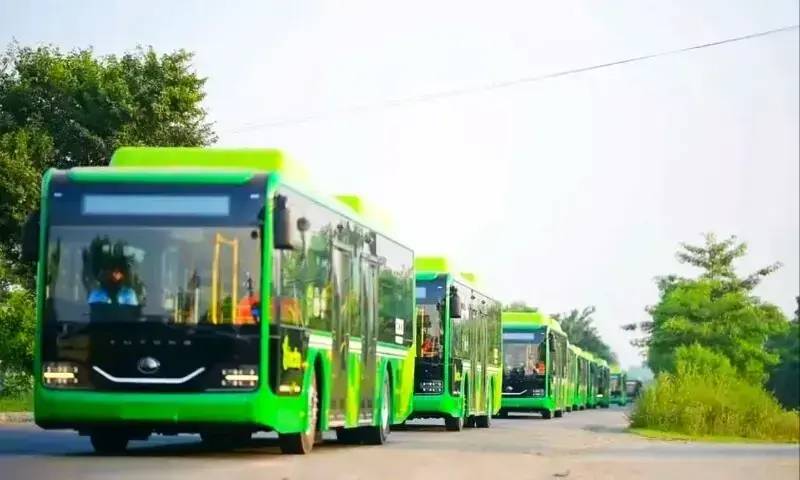
By: Waqas Ali
By any measure, public transportation is the backbone of a country's urban economy. An efficient transport system not only reduces travel time but also improves productivity, creates employment opportunities, lowers pollution, and enhances the quality of life for millions of citizens. In Pakistan, where rapid urbanization has placed enormous pressure on existing transport infrastructure, the introduction of modern Green Bus services represents one of the most significant developments in public transport over the past decade.
For decades, commuters in Pakistan relied largely on aging buses, wagons, and minibuses that were often overcrowded, poorly maintained, and environmentally unfriendly. Daily travel became a challenge for students, office workers, women, senior citizens, and people with disabilities. Successive governments recognized the need for modern mass transit systems, leading to the launch of several projects aimed at transforming urban mobility.
The Beginning of Modern Bus Transport
Pakistan's journey toward modern public transport began with the inauguration of the *Lahore Metro Bus Service* in *February 2013* by the Government of Punjab. Built on a dedicated corridor stretching approximately *27 kilometers* from *Gajjumata to Shahdara*, the project introduced internationally recognized Bus Rapid Transit (BRT) standards. Air-conditioned articulated buses, dedicated stations, electronic ticketing, and regulated operations significantly improved the commuting experience for thousands of passengers.
The Lahore Metro Bus became the country's first large-scale modern urban bus project and demonstrated that mass transit could operate efficiently in Pakistan. Its success encouraged other provincial governments to launch similar initiatives.
Expansion Across Pakistan
Following Lahore's example, public transport projects gradually expanded to other cities.
Rawalpindi-Islamabad Metro Bus Service** was inaugurated in *2015*, connecting the twin cities through a modern BRT corridor. The project eased the daily commute for thousands of government employees, students, and private-sector workers travelling between Islamabad and Rawalpindi.
In *Multan, the Metro Bus Service began operations in **2017*, becoming South Punjab's first modern mass transit system. Running along Bosan Road and several key commercial areas, it has provided residents with a reliable and affordable transport option.
Another major milestone came in *Peshawar, where the **Bus Rapid Transit (BRT) "Zu Peshawar"* project was launched in *2020*. Featuring modern buses, integrated feeder routes, and digital fare collection, the project significantly improved public transport in Khyber Pakhtunkhwa.
Perhaps the most notable expansion in recent years has been witnessed in *Karachi. In **2022, the Government of Sindh launched the **People's Green Bus Service*, introducing modern low-floor buses equipped with air conditioning, GPS tracking, CCTV cameras, and facilities for persons with disabilities. Operating on multiple routes across the metropolitan city, the service quickly became popular because of its affordable fares, punctuality, and comfortable travel experience.
Punjab has continued expanding its fleet beyond Lahore. During the last few years, modern green and electric buses have gradually been introduced in *Faisalabad, Bahawalpur, Gujranwala, Sargodha, and other major cities*, while additional electric bus projects are under development as part of the province's clean transport policy.
Moving Towards Electric Mobility
The latest phase of Pakistan's transport modernization focuses on *electric buses*. Unlike conventional diesel-powered vehicles, electric buses produce zero tailpipe emissions, consume less energy, and require comparatively lower maintenance over time.
Punjab has announced plans to expand electric bus services to several divisional headquarters, while Sindh has also expressed interest in increasing the number of environmentally friendly buses in Karachi. These initiatives complement Pakistan's broader commitment to reducing greenhouse gas emissions and promoting sustainable urban development.
Economic Benefits
Modern bus services are not merely transport projects; they are investments in economic development.
Affordable public transport enables workers to reach their workplaces on time, students to attend educational institutions regularly, and businesses to attract customers more efficiently. Reduced traffic congestion also saves valuable fuel and minimizes productivity losses caused by long commuting hours.
For lower-income families, subsidized bus fares reduce monthly transportation expenses, allowing households to allocate more income towards education, healthcare, and other essential needs.
Social Impact
Green Bus services have transformed daily commuting for many Pakistanis.
Women now have access to safer and more organized public transport, while elderly passengers and persons with disabilities benefit from low-floor buses and improved accessibility features.
The availability of air-conditioned buses has also made travelling during Pakistan's extreme summer temperatures considerably more comfortable. Digital ticketing systems, CCTV surveillance, GPS monitoring, and regulated operations have enhanced passenger safety and operational transparency.
Environmental Importance
Pakistan ranks among the countries most vulnerable to climate change. Rapid urbanization and the growing number of private vehicles have contributed significantly to air pollution and carbon emissions.
Modern public transport offers an effective solution by encouraging citizens to shift from private cars and motorcycles to mass transit systems. Every commuter choosing a bus instead of an individual vehicle helps reduce fuel consumption, greenhouse gas emissions, and traffic congestion.
The transition towards electric buses further strengthens Pakistan's environmental objectives by reducing dependence on imported fossil fuels while promoting cleaner cities.
Challenges Ahead
Despite encouraging progress, several challenges remain.
Many urban areas still lack adequate public transport coverage. Existing fleets need regular maintenance to ensure reliability and passenger safety. Route expansion, integrated ticketing, improved last-mile connectivity, and financial sustainability remain key priorities for transport authorities.
Urban planners also emphasize the need to integrate buses with other modes of transportation, including rail and feeder services, to create a seamless commuting experience.
The Road Ahead
Pakistan's Green Bus initiative demonstrates that long-term investment in public transportation can produce lasting economic, environmental, and social benefits. While governments deserve recognition for introducing these projects, their continued success will depend upon consistent maintenance, transparent management, route expansion, and sustained investment.
As Pakistan's cities continue to grow, efficient public transport will become even more critical. Expanding Green and Electric Bus services across the country is not simply a transport policy—it is an investment in cleaner air, stronger cities, and a better quality of life for future generations.
If managed effectively, Pakistan's Green Bus programme has the potential to become one of the country's most successful examples of modern urban development, benefiting millions of commuters every single day.