
Eid-ul-Adha expected to generate over Rs 1 trillion economic activity in Pakistan in 2026
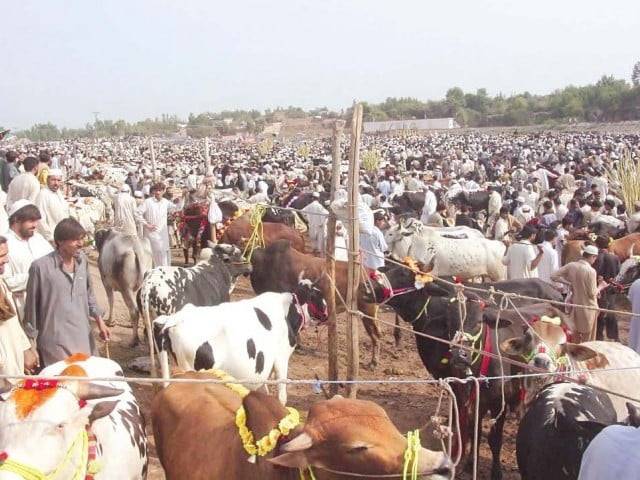

Eid-ul-Adha is expected to remain a major driver of economic activity in Pakistan, with total transactions projected between Rs 1,000 billion and Rs 1,100 billion in 2026, according to industry estimates.
Data cited from a report by the Pakistan Leather Garments Manufacturers Association indicates that around 7.2 million animals were sacrificed during Eid-ul-Adha in 2025, while the number is expected to rise to approximately 7.3 million in 2026.
In 2025, around 3.028 million cows and bulls, 3.582 million goats, 4.54 million sheep, 2.87 million buffaloes, and 67,245 camels were sacrificed across the country, reflecting the scale of the annual ritual and its associated economic activity.
Experts estimate that nearly Rs 900 billion to Rs 950 billion is spent on the purchase of sacrificial animals alone, with overall spending reaching around $4 billion when converted into dollar terms.
Additional economic activity, including decoration, transportation, and animal feed, is estimated at Rs 35 billion to Rs 40 billion. The butchery sector is also expected to see significant earnings, with butchers projected to earn around Rs 50 billion in 2026 from slaughter services.
Furthermore, the hide collection segment is expected to generate around Rs 8 billion during the upcoming Eid-ul-Adha season, according to estimates.
Economists note that Eid-ul-Adha is not only a major religious festival for Muslims but also a significant economic event that stimulates livestock markets, trade, logistics, and small businesses across the country.
Economist Atiq-ur-Rehman said that buying and selling activity peaks during the festival, making it one of the most important seasonal economic drivers in Pakistan.
Reporter: Ashraf Khan