
Who is the greatest Urdu Ghazal singer of all time ?
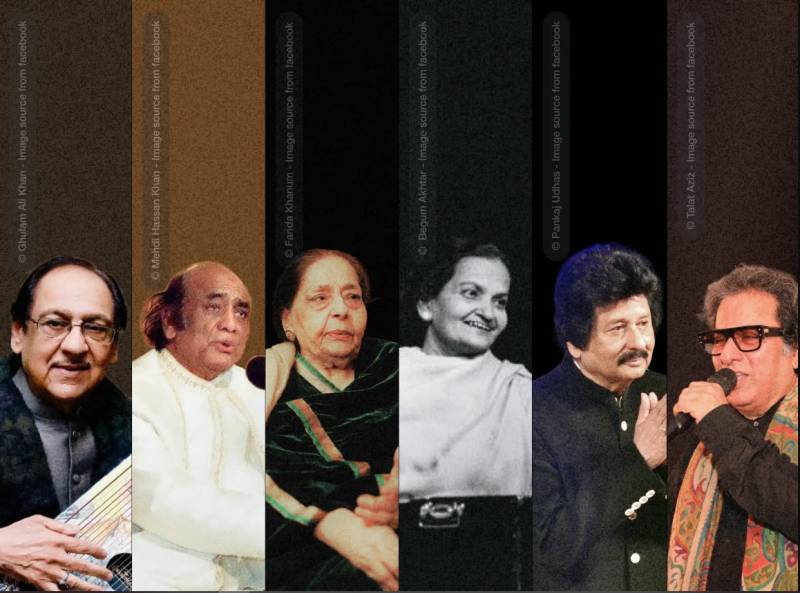

Ghazal, often likened to the mournful cries of a wounded stag, reaches deep into the soul with its lyrics brimming with profound emotions, delivered through the evocative voices of its singers.
The title of the "greatest Urdu/Hindi ghazal singer of all time" is often most widely associated with Mehdi Hassan.
Mehdi Hassan (1927–2012)

Born into a family of traditional musicians in Rajasthan, he is lovingly called the "Shahenshah-e-Ghazal" (King of Ghazal).
Mehdi Hassan’s voice, his mastery over classical music, his soulful expressions, and his ability to bring deep poetic emotions to life made him a legend.
Most of his singings are considered timeless masterpieces.
Mehdi’s style “blurred the lines between folk, classical, and popular music” , helping millions across the globe feel the ghazal’s emotional depth.
Ghazal icons like Talat Aziz called him a guru and inspiration, praising how “his sur was so perfect that it was almost divine”.
Signature Ghazals:
“Ranjish Hi Sahi” – A Faiz Ahmed Faiz ghazal that became synonymous with Mehdi’s plaintive voice
“Patta Patta Boota Boota” – A beloved love ghazal set to classical melody.
“Woh Zara Si Baat” – A romantic ghazal showcasing his deep emotional expression.
"Gulon Mein Rang Bhare" A beautiful expression of longing, hope, and a desire for reunion
"Dekh to Dil" A mournful raag-based style that brings out the depth of one’s pain.
Other towering names in Urdu ghazal singing include:
Jagjit Singh (1941–2011)
Jagjit Singh was an Indian ghazal maestro who revolutionized and popularized the form in the 1970s–2000 era
Born in Rajasthan and trained in classical music, he and his wife Chitra Singh introduced modern instrumentation and simpler Hindi/Urdu lyrics to ghazals, making them accessible to a mass audience.
Jagjit consciously selected poetry “relevant to the masses” and emphasized clear meaning and melody over elaborate ornamentation
He also entered Bollywood and television (e.g., music for TV’s Mirza Ghalib), helping ghazals reach urban as well as rural listeners.
Signature Ghazals:
“Tum Itna Jo Muskura Rahe Ho” – A romantic ghazal whose sweetness and melody typify his accessible style.
“Hontho Se Chhoo Lo Tum” – A sensuous duet (with Chitra) that became a classic.
“Jhuki Jhuki Si Nazar” – A lilting ghazal showcasing his soft delivery.
Ghulam Ali (b.1940)
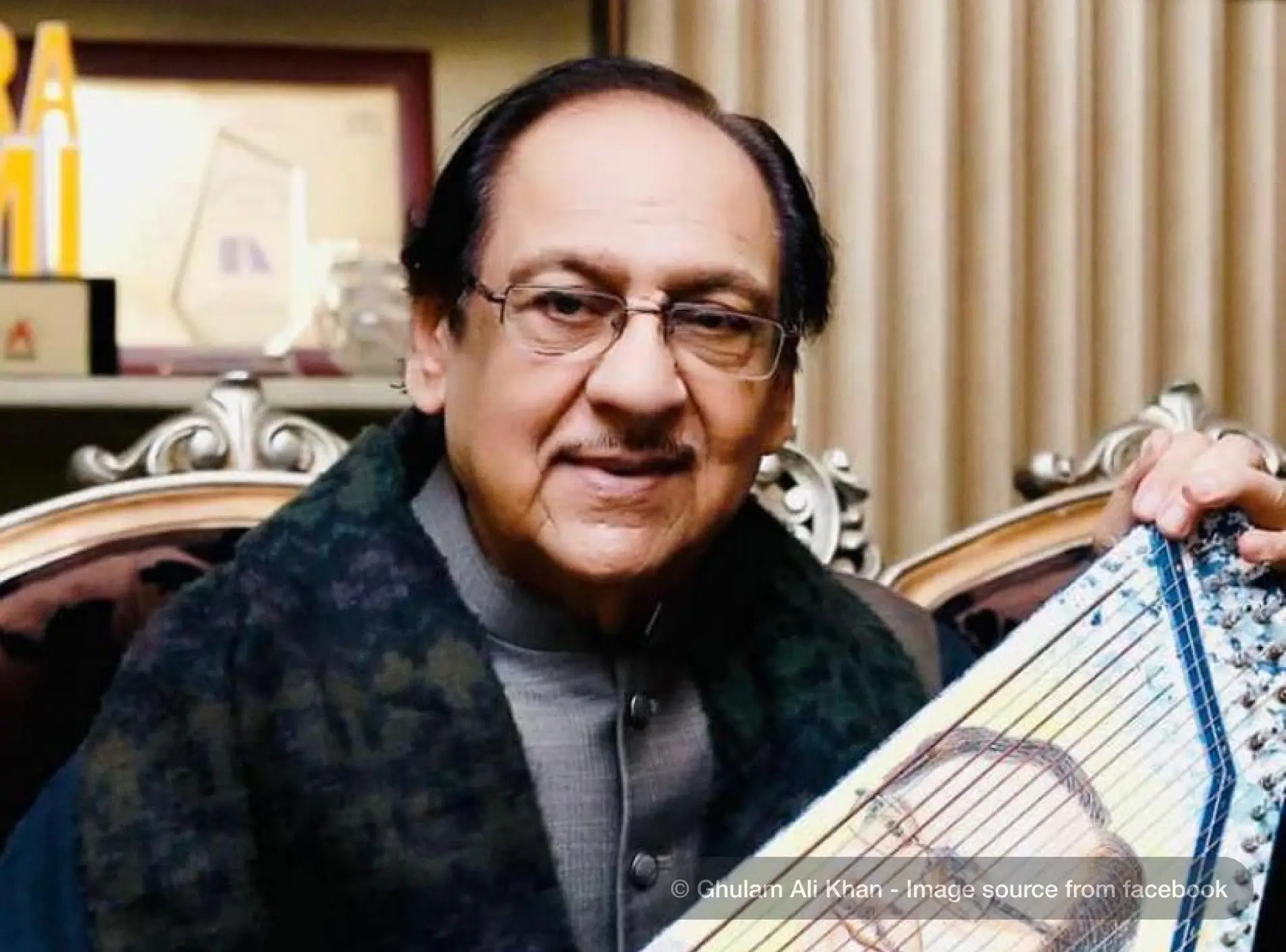
Ustad Ghulam Ali is a celebrated Pakistani ghazal singer of the Patiala gharana, “considered one of the greatest ghazal singers of his era” .
Trained by the Patiala masters (and grandson of Bade Ghulam Ali Khan), his style uniquely blends Hindustani classical music with ghazals.
In other words, he maintained classical ragas and taans while singing mushairas and recordings – a fusion that no other ghazal singer matched.
Ghulam Ali gained fame on both sides of the India–Pakistan border, and many of his ghazals were later used in Bollywood films.
Listeners praise his rich, emotive delivery and improvisational flair.
The Kathmandu Post notes that audiences in Nepal and India equally adore him – one writer called him a “ghazal maestro” whose concerts celebrated melodies that “crossed boundaries” .
Signature Ghazals:
“Chupke Chupke Raat Din” – Perhaps his most famous piece, exemplifying his classical flair.
“Kal Chaudhvin Ki Raat Thi” – A moonlit, nostalgic ghazal beloved across South Asia.
“Hungama Hai Kyon Barpa” – A playful ghazal made popular by Ali’s rendering.
"Chamakte chand ko " A soulful ghazal, filled with romantic imagery and delicate emotions.
Pankaj Udhas (1951–2024)
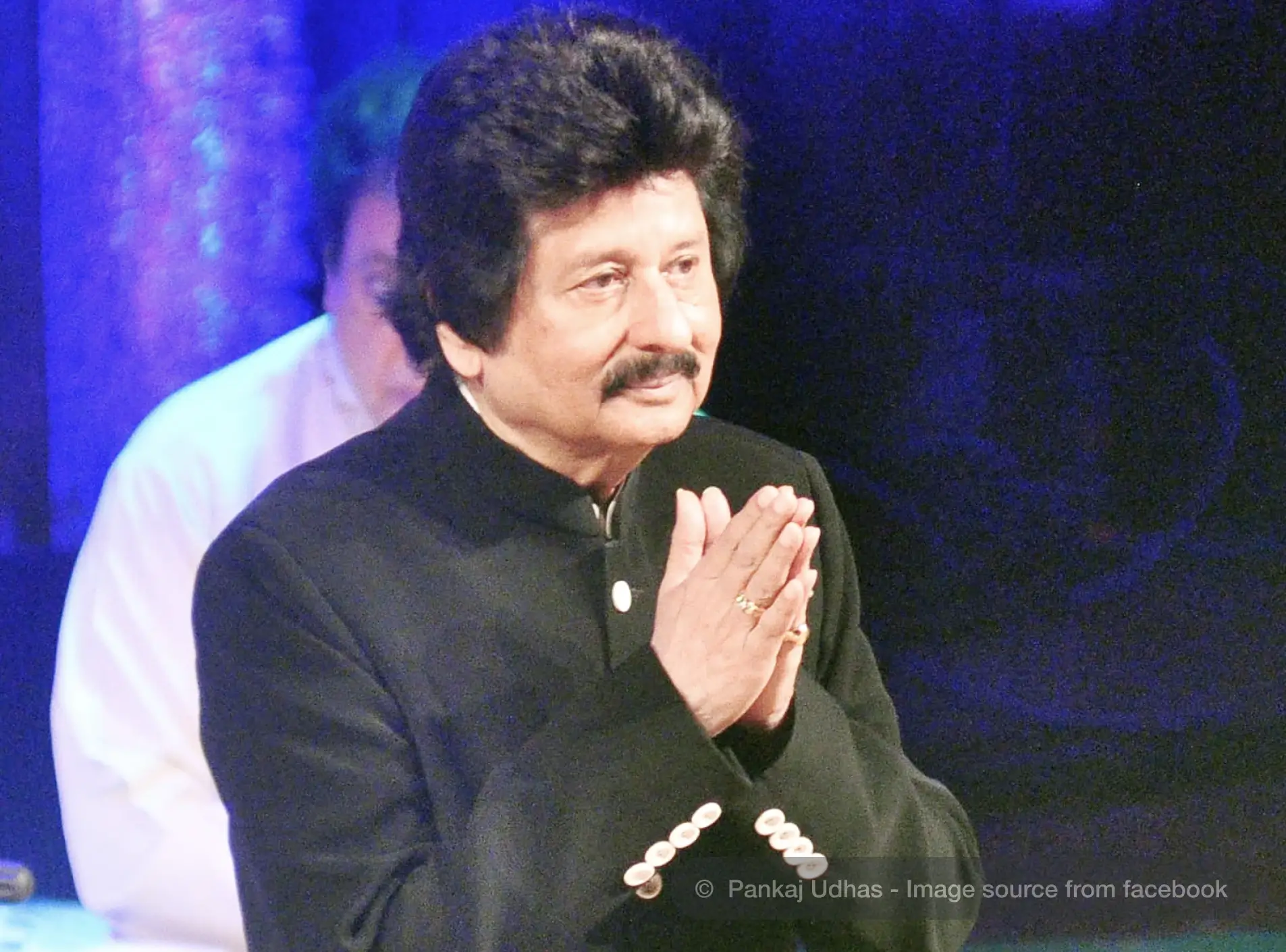
Pankaj Udhas was an Indian ghazal singer who brought a melancholic, romantic sensibility to the genre and ensured its place in Bollywood and pop music.
His warm, plaintive voice resonated with a new middle-class generation in the 1980s.
His song “Chitthi Aayi Hai” from the Indian film Naam (1986) became an instant classic.
He freely experimented with his voice while staying true to ghazal roots, later producing hit albums like Nasha (1990s) that popularized Urdu poetic imagery (e.g., “saqi,” “paimana”) for a young audience.
Along with Jagjit Singh, Udhas “popularised ghazals, turning the ghazal into a profitable market”.
Signature Ghazals:
“Chitthi Aayi Hai” – His signature ghazal from Naam (1986), about longing and news from a loved one.
“Aur Ahista Kijiye” – A tender ghazal of love from the album Aafreen (1986).
“Jeeyein Toh Jeeyein Kaise” – An emotive number from the film Saajan (1991).
Farida Khanum (b.1929)
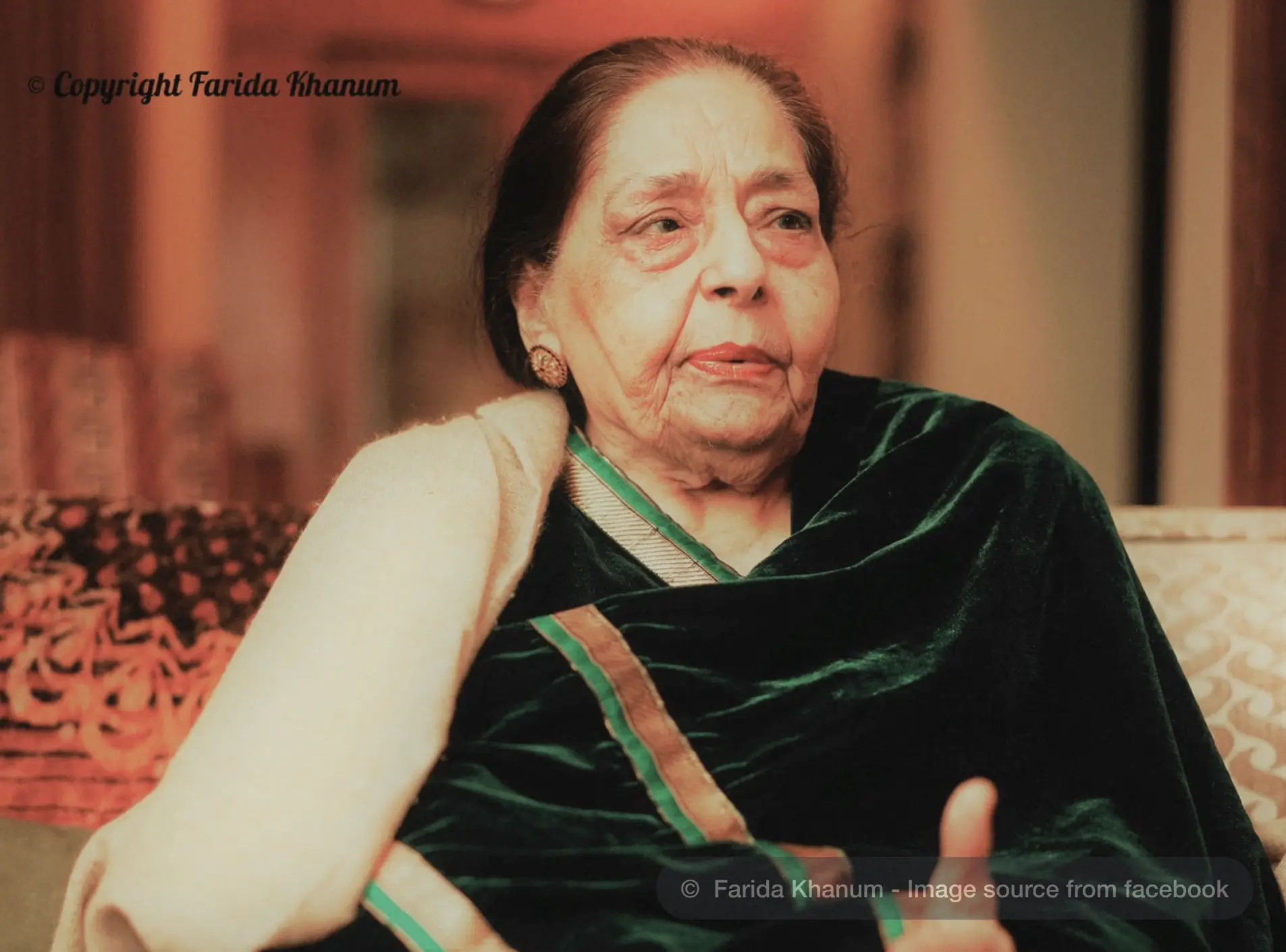
Farida Khanum is Pakistan’s eminent “Malika-e-Ghazal” (Queen of Ghazals) and widely regarded as one of the greatest exponents of ghazal.
Born in Kolkata, she has dedicated her life to the classical art of ghazal singing, training in khayal, thumri and dadra as well.
In both Pakistan and India she is honored for bridging cultural divides through her music – for example, her rendition of “Aaj Jaane Ki Zidd Na Karo” is cherished by South Asians everywhere.
Signature Ghazals:
“Aaj Jaane Ki Zidd Na Karo” – A Faiz Ahmed Faiz composition that became her signature curtain-call at concerts.
“Chalo Achha Hai Tumse Baat Na Karen” – A plaintive love ghazal in her pure, resonant style.
“Mujhe Tum Nazar Se” – An early hit demonstrating her exquisite Urdu diction and emotion.
Abida Parveen (b.1954)
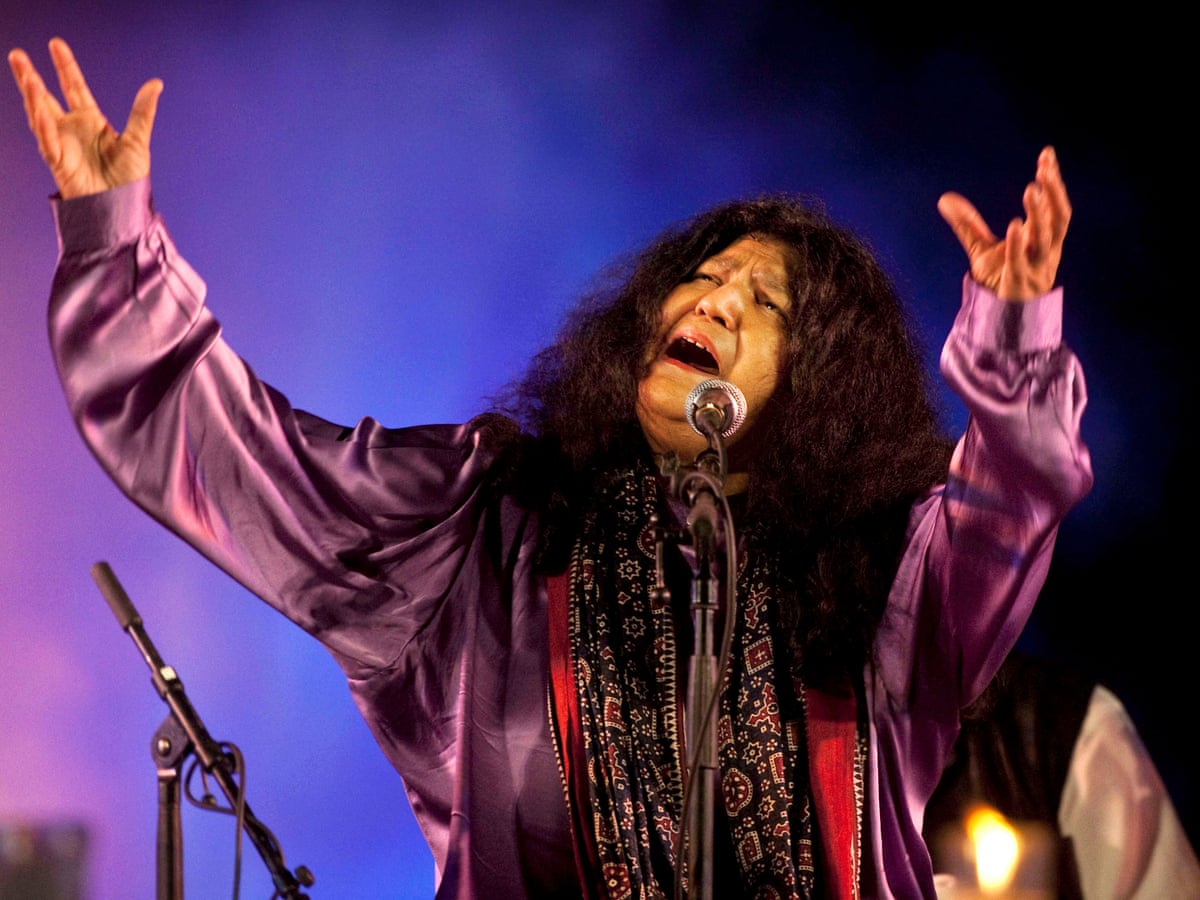
Abida Parveen is a Pakistani Sufi singer who, although primarily known for qawwali and Sufi music, also performs ghazals with extraordinary passion and power.
She is hailed as one of the greatest Sufi vocalists in history. On stage, her soulful renditions of ghazals and kafis send audiences into a trance – as The Guardian notes, her concerts of “classic qawwalis, ghazals and kafis” are met with wild applause and dancing in the aisles. International stars attest to her influence: Björk called Parveen one of her greatest inspirations.
Her repertoire includes ghazals like “Tu Ne Diwana Banaya” and “Jab Bhi Aao Sajna”. Through global tours and recordings, Parveen has taken Urdu ghazal into world music venues, cross-pollinating it with Sufi mysticism.
Signature Ghazals:
“Aaj Rang Hai” – A prayerful kafi/ghazal that encapsulates her ecstatic style.
“Tu Ne Diwana Banaya” – A passionate ghazal often performed at her concerts.
“Mera Piya Ghar Aaya” – A timeless qawwali-ghazal hybrid (by famous composers Ghulam Haider/Fatima) that Parveen has made her own.
Iqbal Bano (1935–2009)

Iqbal Bano was a Pakistani ghazal and semi-classical singer known for her subtle power and commitment to Urdu poetry.
Trained in classical music, she elevated ghazals into songs of conscience.
Iqbal Bano brought unparalleled emotion and subtlety to ghazal; her legacy endures in every artist who uses poetry to speak truth to power.
Signature Ghazals:
“Dasht-e-Tanhai Mein” – A Faiz ghazal that Bano sang with such perfection it set the benchmark for all future renditions.
“Hum Dekhenge” – A revolutionary ghazal by Faiz that Bano transformed into a mass movement anthem.
“Aaj Bichhad Ke” – A plaintive ghazal showcasing her classical rigor and emotional depth.
Begum Akhtar (1914–1974)
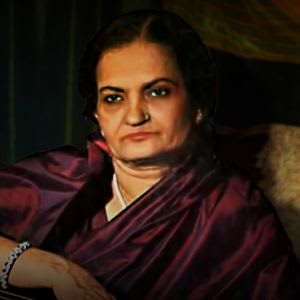
“Woh jo hum mein tum mein qarar tha, tumhein yaad ho ke naa yaad ho…” - the voice of Begum Akhtar casts a spell on the senses as she emotes each word with utmost intensity.
Begum Akhtar has given her voice to compositions crafted by literary luminaries such as Mirza Ghalib, Meer Taqi Meer, and Momin Khan Momin.
Begum Akhtar was the preeminent Indian ghazal singer of the mid-20th century, often called “Mallika-e-Ghazal” (Queen of Ghazal).
Born Akhtari Bai Faizabadi, she trained in patiala gayaki and dedicated decades to perfecting gazal, dadra and thumri.
Her emotive renderings of songs like “Aah Ko Chahiye Ek Umar” brought ghazal into the limelight of Indian music and influenced a generation of singers (even classical maestros like Jasraj cite her as inspiration).
Signature Ghazals:
“Aah Ko Chahiye Ek Umar” – A legendary ghazal (from film Roti, 1942) exemplifying her soulful depth.
“Nigahon Se Door” – A dadra-tinged composition that highlights her exquisite Urdu diction.
“Diwana Banana Hai Toh” – A thumri-style piece she famously taught to others, evincing her expressive pathos
Talat Aziz (b.1956)
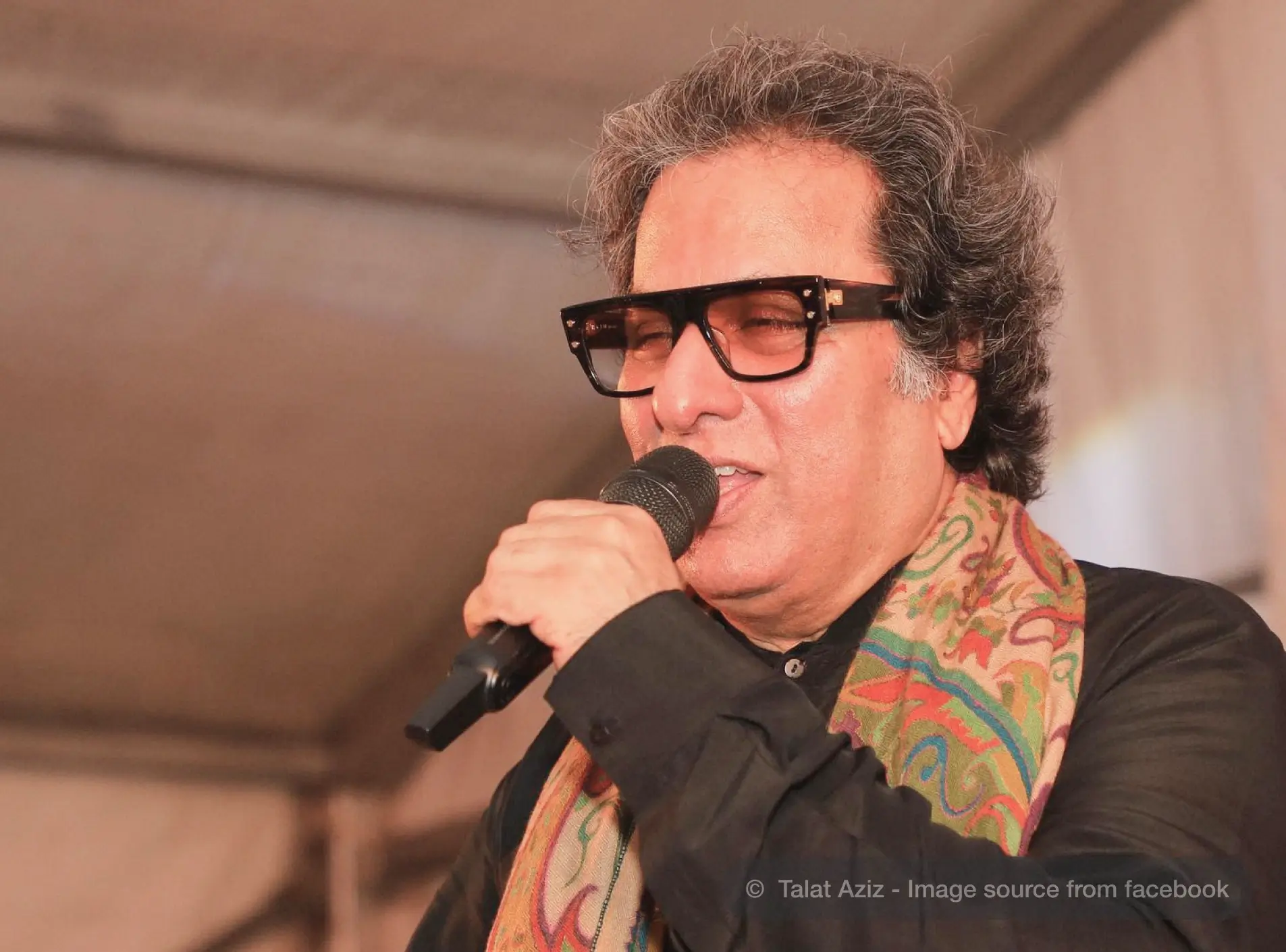
‘Aina mujhse meri peheli si surat mange’, ‘Dulhan bani hai raat’, ‘Phir chhidi baat raat phoolon ki’, and many more such timeless Ghazals mesmerize the old and young listeners with equal aplomb, rendered by none other than Talat Aziz.
Aziz is blessed with a youthful voice, profound diction, and emotiveness that never fails to tug at the heartstrings. Talat Aziz's contribution to the preservation and promotion of ghazals and Indian classical music has been recognized with awards and accolades.