
Invisible Wounds: When Silence Becomes a Verdict
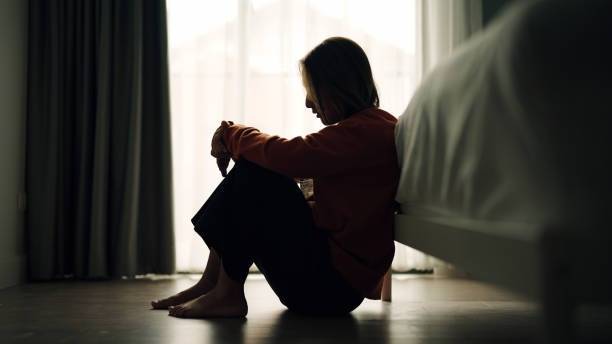

As the world moves further into the twenty-first century and celebrates progress in science, technology, and human rights, many women still struggle for their most basic freedoms. On one hand, they are promised equality and empowerment. On the other, when they dare to claim those rights, their courage is often labelled as arrogance. Deeply rooted traditions tighten their hold, and women are accused of disobedience simply for standing up for their dignity.
Even today, many women are taught that silence is a virtue, patience is beauty, and obedience is duty. This contradiction raises an uncomfortable but necessary question: why do we still accept double standards? Why are there strict expectations for women?
When a girl gets married, she is often sent to her husband’s home with familiar words that echo through generations:
“This is your home now — the house of your husband. You must protect its honour, win everyone’s heart, and never give us a reason to be disappointed.”
With these words, she begins a life where her identity becomes tied to sacrifice. She stands beside her husband through every phase of life, often giving up her own dreams, emotions, and ambitions along the way.
Many women quietly bury their hopes so their partner’s dreams can grow. They adjust, compromise, and endure. Yet despite their devotion, they are still labelled difficult, disobedient, or ungrateful. Their sacrifices go unnoticed, and their silence is taken for granted.
Over time, when love, loyalty, and commitment are met with indifference, a woman begins to break from within. And when she finally gathers the strength to reclaim her dignity, she is often judged instead of understood. Society is quick to blame her:
“It was her fault.”
“She wanted too much freedom.”
“That’s why she asked for khula.”
As years pass, wounds settle deep in her heart — invisible to others, yet painfully real to her. These unseen wounds slowly shape her strength. And often, it is this pain that finally leads her to seek justice, even if she must walk that path alone. For a long time, this suffering remained unrecognised and dismissed as a private matter. But now, the law itself has begun to acknowledge what women have endured in silence.
In this context, an important legal development took place. In October 2025, the Supreme Court of Pakistan issued a landmark judgment stating that domestic violence is not limited to physical abuse alone. The court recognised that mental and psychological suffering also counts as cruelty, giving women the legal right to seek khula on these grounds. This judgment acknowledged a reality women have lived with for generations.
The rising number of women seeking khula also reflects this growing awareness. Court records and media reports show that over 5,500 women filed for khula in Lahore within just eight months, as cases increased in family courts. In Rawalpindi, around 1,170 women applied for khula in only the first six months of 2025. These numbers show how many women are now turning to the courts to escape unhappy and harmful marriages.
Yet despite this progress, emotional and psychological suffering is still often ignored in our society. A broken bone receives immediate attention. Physical injury brings sympathy. But when the mind is hurt — when emotional well-being is damaged — it is often dismissed. And yet, the mind is the core of our existence.
Mental stress does not stay limited to thoughts. It affects the whole body. It disrupts sleep, weakens the immune system, raises blood pressure, affects hormones, and slowly damages physical health. According to the World Health Organisation, 1 in 7 people worldwide live with a mental health condition, and more than 1 billion people suffer from mental disorders such as anxiety and depression. Around 332 million people globally experience depression, which is about 1.5 times more common in women than in men.
In Pakistan, the situation is equally serious. Mental health conditions contribute to over 4% of the country’s total disease burden, and an estimated 24 million people need psychiatric care. Some reports suggest that nearly 38% of Pakistanis face psychological difficulties, while around 25% suffer from severe depression. So how can we continue to treat psychological suffering as something imaginary or unimportant?
Now imagine a woman living in a home where her emotions carry no value, her opinions hold no weight, and her life revolves entirely around others. She gives endlessly but receives little in return. She fulfils every role, yet slowly loses her own identity.
In such circumstances, she does not break loudly — she breaks silently. And that silence, built from years of neglect, is the most dangerous form of suffering.
When a woman feels constantly alone within her own relationship, separation often becomes the only remaining option. It is important to understand that no one chooses this path easily. It comes after years of emotional exhaustion, inner struggle, and deep pain. But sometimes, moving forward becomes necessary, because staying means losing oneself completely.
As a society, we must recognise that emotional pain is just as real as physical pain. No one chooses separation without reason; it is often the result of long-term neglect, loneliness, and suffering. Respect, empathy, and emotional safety are not luxuries in a relationship — they are basic human rights.
And we must never forget that the deepest wounds are often invisible — the bruises on the heart and mind that no one sees, yet they hurt the most.