
Pakistan, Sri Lanka explore joint marine tourism routes to boost coastal connectivity

Pakistan and Sri Lanka are exploring ways to link their coastal destinations in an effort to strengthen marine tourism and regional connectivity, Pakistan’s state broadcaster reported on Tuesday.
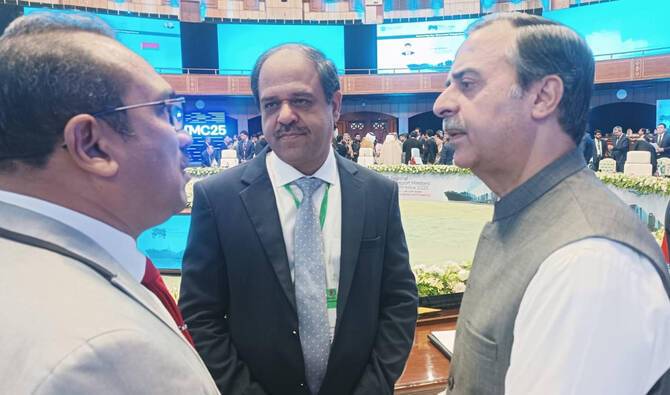
The understanding was reached during a meeting between Pakistan’s Maritime Affairs Minister Junaid Anwar Chaudhry and Sri Lankan Minister for Transport, Highways and Urban Development Bimal Niroshan Rathnayake in Islamabad.
According to Radio Pakistan, both sides discussed opportunities to expand cooperation in the marine and tourism sectors, including initiatives to promote sustainable use of shared ocean resources.
Rathnayake said greater collaboration between the two countries could enhance tourism flows, regional visitor traffic, and economic integration, while Chaudhry emphasized that marine industries such as fisheries and tourism are vital for supporting livelihoods, particularly in developing nations.
Minister Chaudhry proposed a range of initiatives, including the development of joint marine tourism routes and travel packages connecting major coastal destinations in both countries. He also suggested introducing enhanced ferry services, cultural exchanges, and coordinated marketing campaigns to attract regional and international visitors.
Rathnayake noted that Sri Lanka’s advanced marine tourism infrastructure could help accelerate the growth of Pakistan’s emerging coastal tourism sector, particularly in areas such as Gwadar, Karachi, and Ormara, the broadcaster said.
The discussions come a few months after Pakistan issued its first-ever international ferry service license to Sea Keepers, a global operator that will connect Pakistani ports with Iran and Gulf Cooperation Council (GCC) countries.
At the time, Minister Chaudhry described the move as a “historic step” under Pakistan’s National Maritime Policy, saying it would enhance regional connectivity, tourism, and trade activity via sea routes.
Pakistan has been working to leverage its strategic coastal position to attract investment, trade, and tourism as part of its broader effort to recover from a macroeconomic crisis under a $7 billion IMF program.
The government is also pursuing reforms to reduce container dwell times at ports by up to 70 percent and improve logistics efficiency. In July, Islamabad cut port charges for exporters by 50 percent at Port Qasim, the country’s second-largest seaport, to make trade operations more competitive.