
Hidden dangers of HIGH-PROTEIN diets experts sound alarm
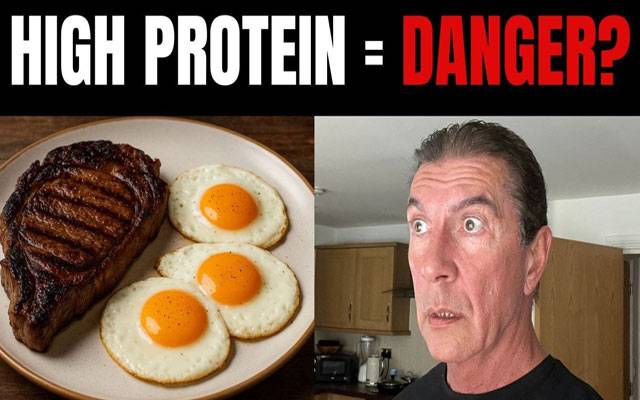

As high protein diets continue to dominate fitness trends and weight-loss plans, health experts are raising concerns about their overconsumption.
While protein is essential for muscle building, energy, and overall body function, excessive intake may quietly trigger a range of health issues.
Medical professionals warn that blindly following diet trends without understanding your body’s needs can do more harm than good in the long run.
According to experts in internal medicine, consuming more protein than required can place unnecessary strain on the body, particularly on digestion and kidney function.
Subtle symptoms such as persistent bloating, fatigue, dehydration, and frequent urination may signal that the body is struggling to process the overload.
Over time, this imbalance can interfere with metabolism and overall well-being, especially when protein intake is not supported by adequate fibre and hydration.
Health specialists highlight that excess protein particularly from sources like whey, dairy, or animal-based foods can disrupt digestive health, leading to issues such as constipation, a heavy feeling after meals, and ongoing bloating. In some cases, it may also trigger skin problems like acne due to hormonal fluctuations.
Additionally, diets extremely high in protein but low in carbohydrates may impact serotonin levels, potentially causing mood swings, irritability, and reduced mental clarity.
Another overlooked consequence is low energy despite high food intake. This happens when the body lacks balanced nutrients, affecting blood sugar stability and metabolic efficiency.
Experts also caution that excessive protein can hinder weight loss goals, as surplus calories even from protein may stall fat reduction. Increased thirst is another common indicator, as the body requires more water to flush out protein waste, placing added pressure on the kidneys, particularly for individuals with pre-existing conditions.
While protein remains a vital nutrient, maintaining the right balance is key. Health professionals emphasize the importance of tailoring intake according to individual needs rather than following generic diet trends.