
‘I’m Still Here’ film on family torn apart by two-decade dictatorship wins Oscar
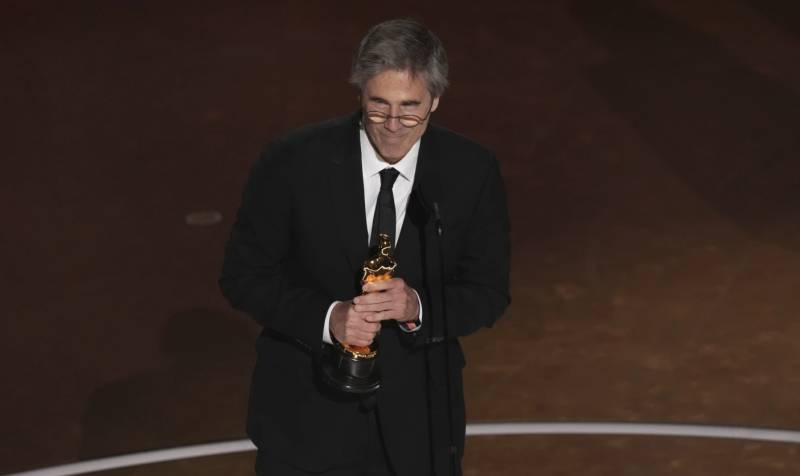

‘I’m Still Here,’ a film about a family torn apart by the military dictatorship that ruled Brazil for more than two decades, gave Brazil its first Oscar win in the international film category, foreign media reports.
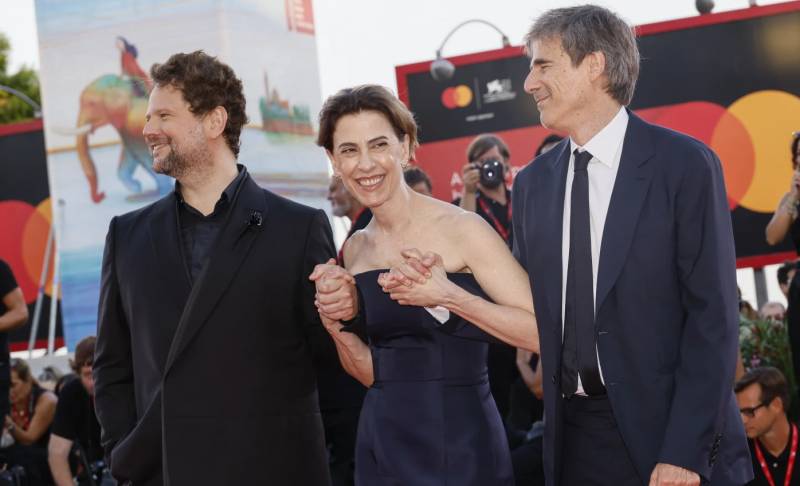
The Walter Salles film stars Fernanda Torres as Eunice Paiva, the wife of Rubens Paiva, a former leftist Brazilian congressman who, at the height of the country’s military dictatorship in 1971, was taken from his family’s Rio de Janeiro home and never returned.
Salles paid homage to Eunice’s bravery, and Torres for portraying her along with Fernanda Montenegro, the daughter of one of the country’s greatest stars. She appears late in the film as the older Eunice.
“This goes to a woman who after a loss suffered during an authoritarian regime decided not to bend and resist. This prize goes to her,” Salles said during his acceptance speech, as the audience gave a standing ovation. “And it goes to the two extraordinary women who gave life to her.”
“Today is the day to feel even prouder of being Brazilian,” Brazil’s President Luiz Inácio Lula da Silva wrote on X, “Pride for our cinema, for our artists and, primarily, pride for our democracy.”
At the Sambadrome in Rio de Janeiro, where Carnival parades are underway, the announcer shared the results with the tens of thousands of spectators in the crowd, eliciting shouts of joy.
“Let’s celebrate!” the announcer said. “Congratulations, Walter Salles! Congratulations, Fernanda Torres! Congratulations, Brazil! The Oscar is ours!”
The focus of “I’m Still Here,” based on the memoir by Paiva’s son Marcelo, is Eunice, the mother of five left to remake their family’s life with neither her husband nor any answers for his disappearance. It unfolds as a portrait of a different kind of political resistance — one of steadfast endurance.
According to the Associated Press, Salles believed the film resonated with audiences who might not be familiar with the dictatorship in Brazil, because of the storyline’s ability to overcome loss and the strength to fight injustice.
“This woman had the possibility to bend or to embrace life, and did embrace life,” Salles said backstage. “At the end of the day, it’s a film about that: The hope that embracing life allows you to have. Maybe that’s a way into the film. Another way to understand this is that democracy is becoming so fragile everywhere around the world.”