
Poliovirus detected in multiple Pakistani cities, Islamabad reports negative samples
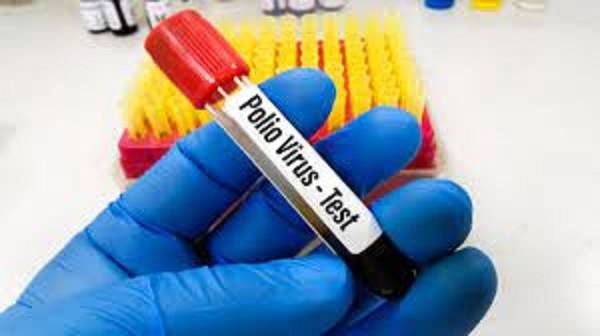

A recent weekly report released by the Polio Eradication Program has revealed the presence of the polio virus in environmental samples from several districts across Pakistan, while the federal capital, Islamabad, reported negative results.
The report, which covers samples collected from February 3 to 12, highlights the ongoing challenge of eradicating polio in the country.
According to the findings, 44 environmental samples were collected from 36 districts and tested at the Polio Eradication Regional Reference Laboratory at the National Institute of Health. While Islamabad’s samples tested negative, its twin city, Rawalpindi, once again reported polio-positive samples.
The virus was detected in environmental samples from multiple regions, including Chaman, Loralai, Nushki, Quetta, and Zhob in Balochistan; DI Khan, Lakki Marwat, and Peshawar in Khyber Pakhtunkhwa; and Faisalabad, Gujranwala, and Lahore in Punjab. In Sindh, positive samples were found in Badin, Dadu, Hyderabad, Jacobabad, and Karachi Central.
However, some areas reported negative results, offering a glimmer of hope. Samples from Karachi Malir, Mirpur Khas, Sujawal, Sukkur, Kotli, Mirpur, Rajanpur, Sialkot, Multan, Kashmore, Hangu, Karak, Kohat, and Swabi all tested negative for the virus.
The Polio Eradication Program emphasized the importance of continued vigilance and vaccination efforts to combat the spread of the virus. The detection of polio in multiple districts underscores the need for sustained public health initiatives to achieve a polio-free Pakistan.
Reporter: Babar Shahzad Turk