
Book Review: Where the Opium Grows by Hajra Panezai — A Memoir of Truth, Trauma, and Triumph
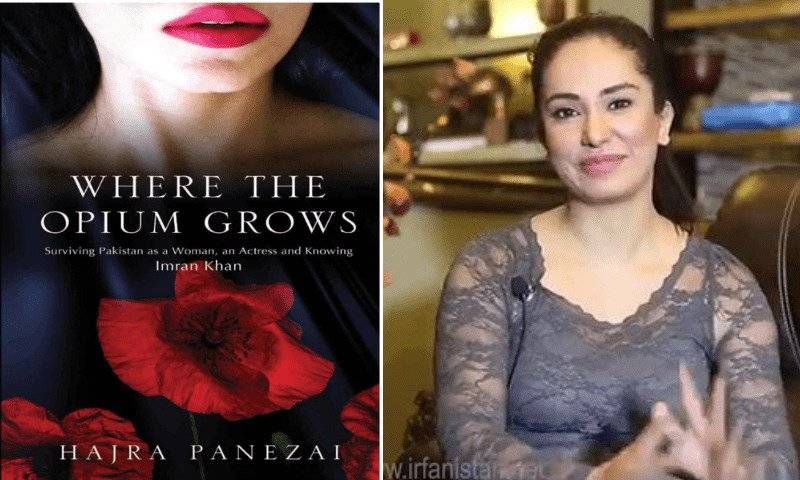

In Where the Opium Grows, Hajra Panezai presents a searing, unflinching account of survival—not just as a woman in Pakistan, but as an artist, a dissenter, and a witness to the toxic convergence of fame, politics, and patriarchy. The book is not simply a memoir; it is a reckoning. It dares to name names, break silences, and challenge the cultural code of shame that binds so many women in silence.
One of the most courageous aspects of Panezai’s narrative is her decision to speak openly about her interactions with Imran Khan. Unlike the reverent or romanticised portrayals often surrounding the former prime minister, Panezai describes a deeply unsettling relationship. She alleges emotional manipulation, abuse of power, and ultimately, a campaign of silencing that forced her into exile. These revelations are not tabloid fodder—they are presented with restraint, intelligence, and emotional clarity.
Panezai does not sensationalise her trauma. Instead, she roots it in broader patterns of misogyny that plague elite circles in Pakistan. Her testimony suggests that when a woman refuses to play along—whether in showbiz or politics—she is cast out, labelled, and destroyed. Her account of Khan is a rare and necessary counter-narrative to the myth of the noble reformer. In Panezai’s eyes, Khan represents something far more dangerous: the charming abuser, shielded by political power and social adoration.
Importantly, she does not write as a political actor. The book was written in 2014—long before Imran Khan’s rise to premiership—underscoring her claim that this was never about politics. It was about her life, her safety, and her truth. The fact that her allegations were buried, denied, and dismissed by those who champion ‘naya Pakistan’ only reinforces the risk she took in speaking out.
Beyond this, Panezai’s book is also a lyrical exploration of identity, artistry, and longing. Her early life in Quetta is painted with a mix of nostalgia and despair—a place haunted by violence and buried potential. Her rise in television, through acclaimed roles in Buri Aurat and Pinky Memsaab, is described with both pride and pain, reflecting the high price women pay to succeed in industries built by men, for men.
Her prose is elegant but sharp, reflective but unsparing. She does not beg the reader for sympathy, nor does she offer easy redemption. What she gives us instead is raw truth—unfiltered and, at times, deeply uncomfortable. But that discomfort is precisely what makes the book essential reading.
Hajra Panezai is not just one of Pakistan’s most talented TV artists—she is also a brave and brilliant writer. Where the Opium Grows is an act of literary defiance. It shatters the silence that often surrounds the abuse of women by powerful men. It asks uncomfortable questions about the cult of personality, celebrity complicity, and societal hypocrisy. And it does so with grace, integrity, and unrelenting honesty.
This memoir is a landmark contribution to Pakistani feminist literature. Hajra Panezai has carved out a space for truth in a country that often fears it. Her story is not just her own—it belongs to every woman who has been silenced, disbelieved, or discarded. And in writing it, she has already won.