
10 Interior Design Trends of 2025: Modern and Minimalist
Where style meets comfort: 2025 home trends you’ll actually love living in
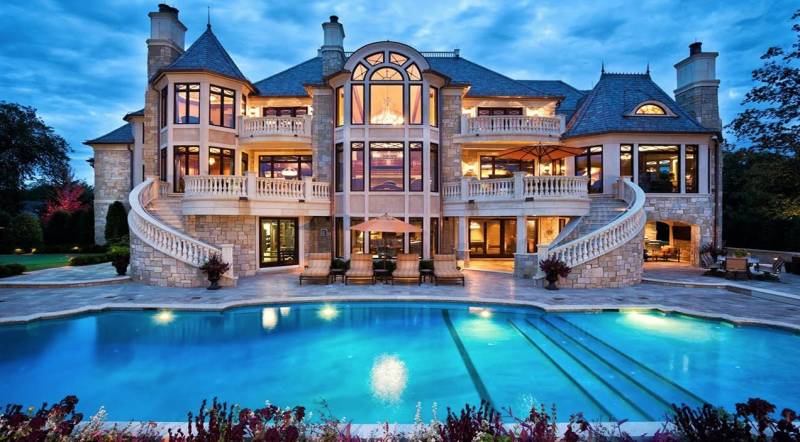

Interior design in 2025 has moved beyond pure aesthetics and into a more thoughtful, lifestyle-driven space.
Homes are now expected to nurture well-being, reflect individuality, and adapt to how we truly live, whether that means working from home, slowing down, or entertaining more intentionally.
From cozy minimalism and wellness-focused layouts to sustainable choices and expressive color stories, these trends balance beauty with comfort and purpose, shaping homes that feel as good as they look.
1. Minimalism With a Cozy Twist

Minimalism in 2025 is no longer cold or stark. It has evolved into a warmer, more human-centered style that blends Scandinavian simplicity with Japanese calm, often referred to as Japandi. Clean lines, uncluttered layouts, and neutral palettes remain central, but they’re softened with tactile comfort.
Think low-profile furniture, light woods, linen upholstery, wool throws, and ambient lighting rather than harsh overhead fixtures. This trend works because it reduces visual noise while still feeling emotionally comforting. It’s ideal for people who crave peace at home without sacrificing warmth.
How to apply it: Choose fewer pieces, but invest in quality materials like oak, bamboo, and stone. Add softness through textiles and warm lighting to avoid a sterile feel.
2. Textured Walls and Ceilings

Flat, plain walls are officially outdated. In 2025, surfaces themselves become design features. Textured plaster, limewash finishes, wood paneling, fabric wall coverings, and even wallpapered ceilings add depth and drama without overcrowding a room.
This trend adds architectural interest, making spaces feel richer and more intentional. Texture also interacts beautifully with light, creating subtle shadows and movement throughout the day.
How to apply it: Use texture selectively – one feature wall, a ceiling, or an alcove is often enough to make a strong statement without overwhelming the space.
3. Home Wellness Spaces

Design is no longer just about aesthetics; it’s about how a space makes you feel. Homes in 2025 increasingly include wellness-focused areas—yoga corners, meditation rooms, spa-style bathrooms, or even calming reading nooks.
These spaces are designed to reduce stress and support mental and physical health. Natural light, indoor plants, soothing colors, and uncluttered layouts are essential components.
How to apply it: Even a small apartment can embrace this trend. Dedicate a corner with soft flooring, calming colors, plants, and minimal distractions.
4. Integrated Indoor–Outdoor Living
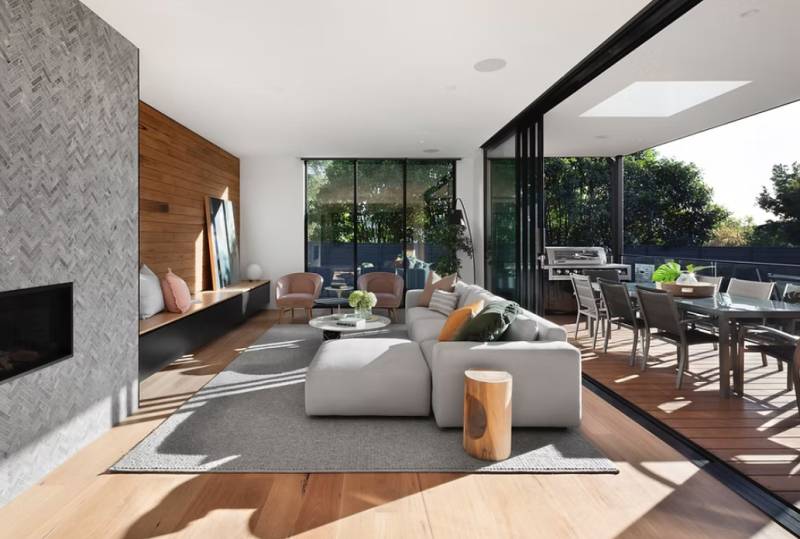
The line between indoors and outdoors continues to blur. Homes are designed to flow seamlessly into balconies, patios, gardens, or terraces, making spaces feel larger and more open.
This trend reflects a desire for fresh air, natural light, and a closer connection to nature. Outdoor areas are now furnished and styled with the same care as interiors—complete with comfortable seating, lighting, and even kitchens.
How to apply it: Use large glass doors, consistent flooring, or similar color palettes indoors and outdoors to visually link the spaces.
5. Discreet, Invisible Technology
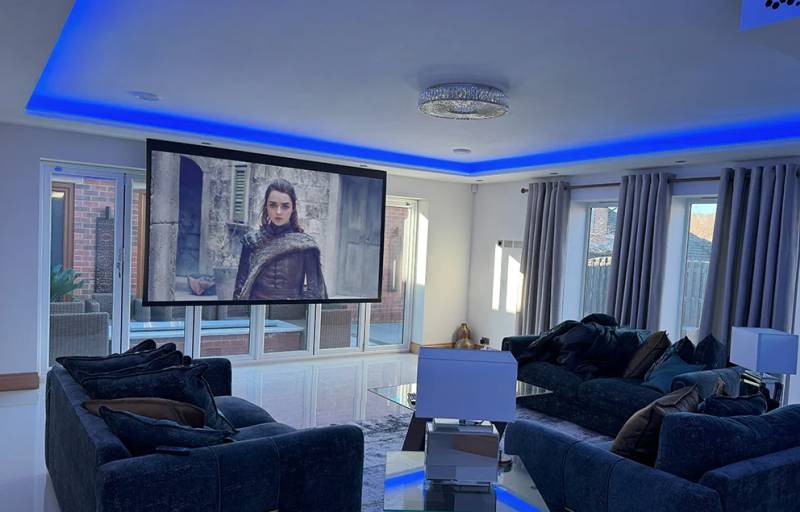
Technology in 2025 doesn’t shout, it blends in. Smart homes are becoming more refined, with hidden speakers, wireless charging built into furniture, motorized blinds, and voice-controlled lighting that doesn’t disrupt the aesthetic.
The focus is on convenience without visual clutter, allowing technology to enhance daily life without dominating design.
How to apply it: Opt for furniture with built-in tech or conceal devices within cabinetry, walls, or decorative elements.
6. Color-Drenched Rooms

Rather than accent walls, 2025 embraces fully color-drenched spaces—where walls, ceilings, trims, and sometimes furniture all exist within the same color family.
This creates a bold, immersive effect that feels intentional and stylish. When done well, it can make rooms feel cozy, dramatic, or playful depending on the color choice.
How to apply it: Use varying shades of the same color to add depth, and balance bold hues with neutral textures to avoid visual fatigue.
7. Sustainable and Eco-Conscious Design
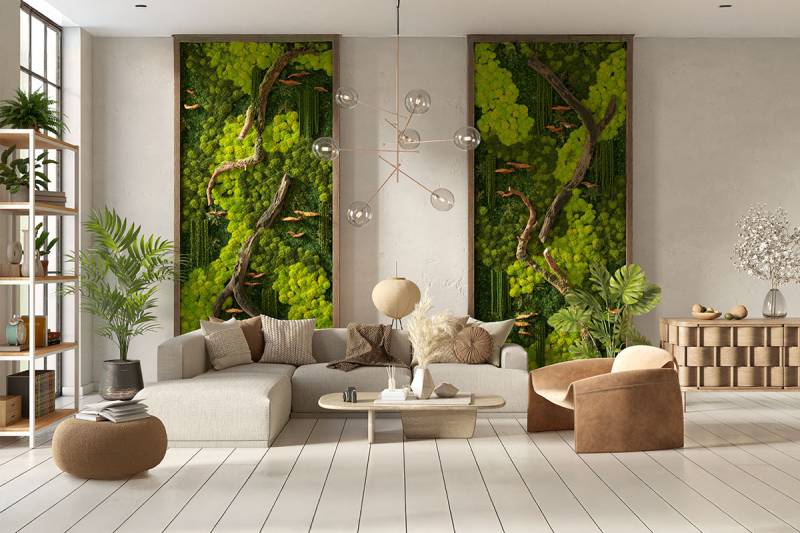
Sustainability is no longer optional—it’s foundational. Interior design in 2025 prioritizes eco-friendly materials, ethical sourcing, and long-lasting craftsmanship.
This includes recycled materials, non-toxic finishes, vegan leathers, reclaimed wood, and furniture designed to last decades instead of seasons. The emphasis shifts from fast decor to thoughtful investment pieces.
How to apply it: Buy less but better. Choose timeless designs made from sustainable materials, and repurpose or restore existing items where possible.
8. Sensorial Interior Design
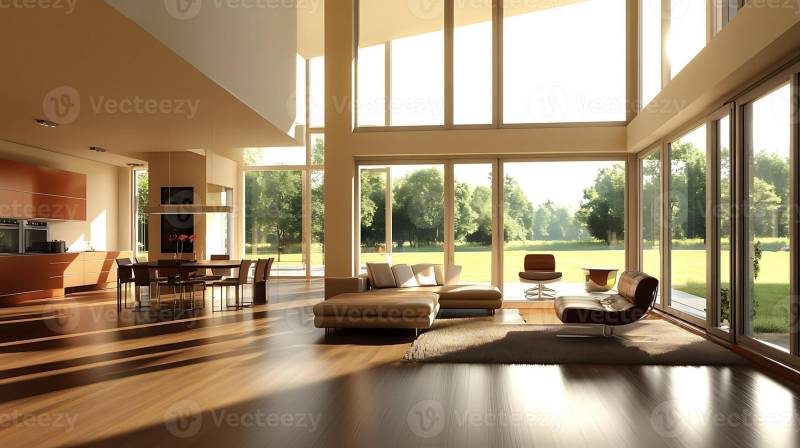
Design now engages all five senses. Sensorial interiors focus not just on how a space looks, but how it sounds, smells, and feels.
Soft textures underfoot, layered lighting, subtle scents, and sound-absorbing materials create environments that adapt to mood and time of day. This approach enhances emotional comfort and well-being.
How to apply it: Combine tactile fabrics, adjustable lighting, essential oil diffusers, and soft background sounds for a fully immersive experience.
9. Casually Comfortable Furniture

Formality is fading. Furniture in 2025 prioritizes comfort without sacrificing style. Sofas are deeper, chairs are rounded, and layouts encourage lounging, conversation, and relaxation.
This reflects lifestyle changes where homes double as workspaces, entertainment zones, and sanctuaries. Comfort is no longer hidden—it’s celebrated.
How to apply it: Choose plush seating with soft edges and durable fabrics. Slipcovers and modular pieces add flexibility and ease.
10. Vintage and Retro Influences

Nostalgia plays a major role in 2025 interiors. Vintage and retro elements—especially mid-century modern furniture, bold patterns, and classic silhouettes—add character and storytelling to modern spaces.
The key is balance: blending old and new so the space feels curated rather than dated. This trend brings soul, uniqueness, and individuality into homes.
How to apply it: Incorporate one or two standout vintage pieces and pair them with contemporary elements to keep the look fresh.
Interior design in 2025 is deeply personal, emotionally intelligent, and purpose-driven. The best spaces won’t just look beautiful—they’ll support well-being, sustainability, and everyday comfort. Choosing the right trends isn’t about following rules, but about creating a home that truly works for you.