
The White Elephant We Call PVMC
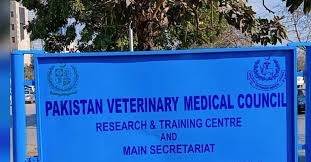

There’s a peculiar kind of silence that government bodies in Pakistan have perfected — one that follows your application, your payment, and your emails — and precedes the slap of blame when you finally demand an answer. I speak, in this case, of the Pakistan Veterinary Medical Council (PVMC), a body that claims to regulate a profession but behaves more like a toll gate at a closed border.
My registration with PVMC dates back to 2004. I applied for renewal in March 2025, submitting the fee after confirming the amount both via telephone and from the official website. I waited. No reply. I called. No answer. I emailed. Silence. I even sent a formal postal letter. Nothing.
Eventually, I was given the contact of a PVMC official — whose tone was hostile and dismissive. I was abruptly told that my application was short by Rs. 28,000 — an astounding difference — and was instructed to reapply without any formal explanation, communication, or process.
Let’s pause here. Even if a technical fee update had occurred, shouldn't I have been officially notified? Why was there no rejection letter, no SMS, no email, no public alert updating the payable amount? And more importantly: what exactly is PVMC offering in return for this fee hike?
PVMC claims authority, but what value does it deliver to veterinary professionals? It offers no continuing education, no structured support, no meaningful recognition abroad. There’s no mechanism to differentiate between clinical practitioners and those working in academia or the development sector — both are expected to pay the same amount, regardless of the relevance.
The most painful part of this experience was not the money. It was the bureaucratic erasure of my voice.
When I finally submitted a complaint to the Prime Minister’s Citizen Portal — ironically only accessible after months of technical glitches — I was met not with resolution, but whitewashed blame. The response I received essentially told me that I was at fault, and PVMC was within its rights. There was no mention of why my queries were ignored, no accountability for lack of communication, and no concern for how this affects countless others.
The Citizen Portal, it seems, has become less a platform for redress and more a digital extension of the same red tape it was meant to cut through. If the complaint is routed back to the very institution under question, what exactly is the point?
This is not just about one case. It is about a pattern. A pattern in which professional councils function without transparency, demand payments without services, and escape criticism under the garb of “standard procedure.”
If the Higher Education Commission already recognizes veterinary degrees, then why must professionals submit themselves to a regulatory body that offers no continuing professional development, no career pathways, and no international recognition? What purpose does it serve — other than collecting fees?
Veterinary councils around the world, in contrast, offer structured CPD programs, conduct professional licensing exams, and advocate for the profession’s global mobility. In Pakistan, we seem to have created a white elephant — a council more interested in gatekeeping than growth.
It’s time to rethink PVMC’s mandate. Registration should be required only for those in active clinical practice. For those in academia, policy, or the development sector, it should be optional or tiered — not mandatory. And no professional body should be allowed to operate without transparency, communication, or accountability.
Otherwise, we’re not licensing professionals — we’re just taxing them for the illusion of legitimacy.