
Second congo virus patient emerges in Karachi
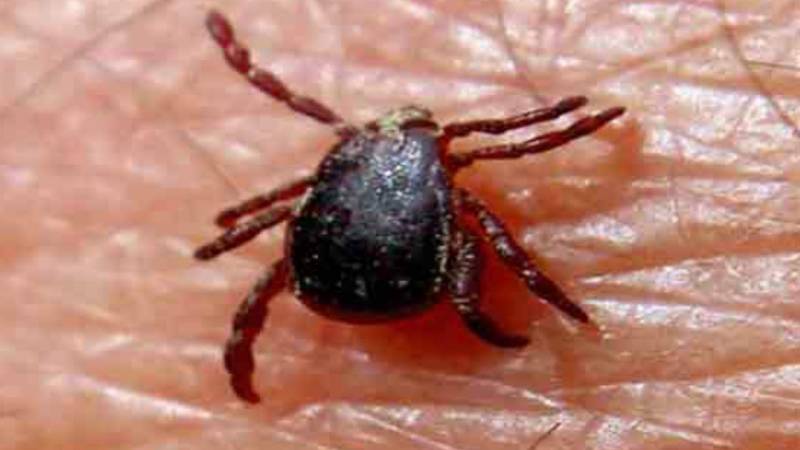

As Sindh and its capital city Karachi is under coronavirus lockdown and COVID-19 fear has gripped all the country, a second congo virus case has emerged to increase the fears.
According to Executive Director of Jinnah Hospital Karachi Seemi Jamali, a 37-year old woman has been admitted to hospital who has been diagnosed with deadly congo virus.
She said the patient was in critical condition as she was bleeding from mouth when she had brought to the hospital.
However, the good news was that the first patient of the congo virus, a 45-year old male named Saleem Kassai has been discharged from the hospital after getting fully recovered.
This year so far two congo virus cases have been reported in Karachi where last year about two dozen people died because of congo virus.
What is the Congo Virus?
Congo Virus, or Crimean-Congo Haemorrhagic fever (CCHF), is a tick-borne viral disease that infects wild and domestic animals, including livestock. Humans can contract this disease by getting bitten by an infected tick living on the host animal or coming into contact with the blood, tissues or fresh meat of the infected animal. Human-to-human transmission is also possible in case of close contact with the organs, blood or other bodily fluids of the infected person, according to the World Health Organisation (WHO).
The initial symptoms of Congo fever include headache, high fever, rashes, back pain, joint pain, stomach pain and vomiting.
Experts say CCHF is a lethal viral infection that is transmitted to humans from animals, especially cattle and livestock. Patients are kept in isolation wards to prevent other patients, doctors and paramedics from contracting it. The mortality is at around 40 per cent, especially when patients are brought late to health facilities.
The Congo Virus does not survive high temperatures, and well-cooked meat does not pose any risk of transmission of the virus. CCHF is endemic in Africa, the Balkans, the Middle East and Asian countries.
Animals become infected by the bite of infected ticks and the virus remains in their bloodstream for about one week, allowing the tick-animal-tick cycle to continue when another tick bites.
The CCHF virus is transmitted to people either by tick bites or through contact with infected animal blood or tissues during and immediately after slaughter. The majority of cases have occurred in people involved in the livestock industry such as agricultural workers, slaughterhouse workers and veterinarians.
Human-to-human transmission can occur resulting from close contact with the blood, secretions, organs or other bodily fluids of infected persons. Hospital-acquired infections can also occur due to improper sterilization of medical equipment, reuse of needles and contamination of medical supplies.
There are no vaccines available for use in animals. However, steps can be taken to reduce the risk of infection in people. In the absence of a vaccine, the only way to reduce infection in people is by raising awareness of the risk factors and educating people about the measures they can take to reduce exposure to the virus.