
Budget 2025-26: APBF demands business-friendly, export-driven roadmap
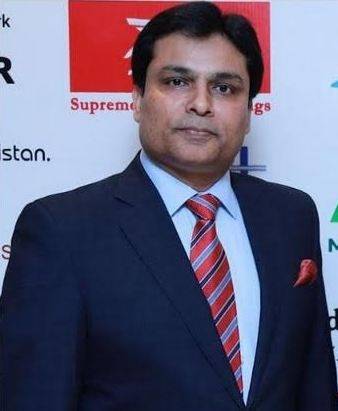

The All Pakistan Business Forum (APBF) on Sunday strongly urged the government to focus the upcoming Budget 2025-26 on reviving economic growth by supporting the private sector, encouraging exports, and reducing the cost of doing business.
APBF President Syed Maaz Mehmood, in a post-consultation Budget address, said that the budget must reflect a clear, long-term economic vision rooted in policy consistency, fiscal discipline, and stakeholder engagement.
He said that the business community remains deeply concerned about slowing industrial growth, and dwindling investor confidence. “The government must ensure that Budget 2025-26 is development-oriented, transparent, and supportive of enterprise and exports, rather than relying on short-term revenue measures like excessive withholding taxes or abrupt policy shifts,” he said.
APBF Chairman Ibrahim Qureshi also voiced concern over import restrictions on raw materials and machinery, which he said have severely affected production cycles, disrupted supply chains, and raised input costs. “Policy uncertainty on imports harms investor confidence and stifles industrial productivity. The government must facilitate legitimate imports required for value-added manufacturing and exports,” he emphasized.
Instead of repeatedly taxing the same formal sectors, he advised the government to expand the tax base, curb smuggling, and discourage tax evasion through digitalisation and simplification. “The solution lies not in penalising the compliant, but in integrating the undocumented economy into the tax net,” he said.
The APBF President urged that the upcoming budget include targeted relief for exporters and documented SMEs, who he said are the backbone of the economy but remain underserved. “We need sector-specific support, especially in value-added textiles, IT, engineering goods, pharmaceuticals, and agro-processing. These industries have the potential to create jobs, generate foreign exchange, and reduce reliance on imports,” he said.
Highlighting Pakistan’s growing current account deficit and pressure on foreign exchange reserves, Maaz Mehmood called for urgent export enhancement initiatives and industrial revival. “Stabilizing the rupee and reducing the need for external borrowing can only happen through a robust export strategy and a supportive business environment,” he said.
He also expressed concern over the delays in finalising an IMF agreement and warned against designing a budget solely based on IMF prescriptions. “We understand the importance of fiscal discipline and lender confidence, but the budget must also prioritise local economic realities. A purely IMF-driven budget will neither promote growth nor generate jobs,” he asserted.
The APBF further demanded the simplification of the tax system, faster refund processes, and an end to coercive tactics. “The FBR must be transformed into a facilitation body, not a punitive authority. Harassment of honest taxpayers and arbitrary notices are counterproductive,” he added.
To curb inflation and revive investment, the APBF recommended bringing down the policy interest rate to single digits, easing credit access for SMEs, and offering subsidised utility tariffs for export-oriented sectors. “The current high cost of borrowing and utility rates are unsustainable for most industries. Without tangible cost reductions, business closures and job losses will escalate,” he warned.
The APBF called for a comprehensive industrial policy, aligned with the budget, to support innovation, productivity, and competitiveness. Maaz Mehmood emphasized the importance of engaging with business chambers, forums, and private sector stakeholders in all key budgetary decisions.
“We are not asking for special treatment. We are demanding a genuine partnership for national economic revival. The private sector stands ready to play its role, but it needs an enabling environment, consistent policies, and honest dialogue,” he concluded.