
ODI Cricket – A weight we’ve been carrying?

“In the air… Sreesanth takes it… India win.”
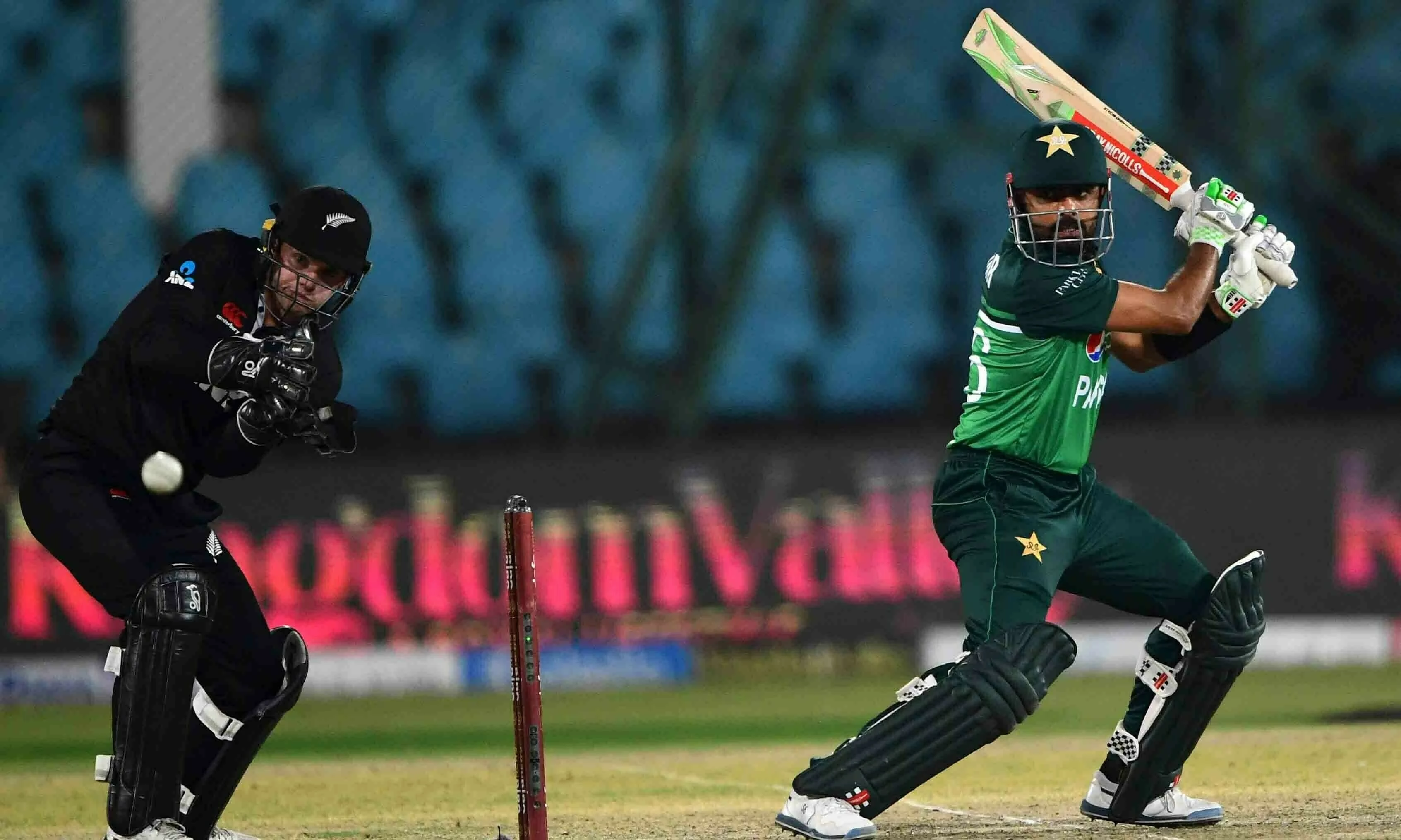
The concluding words of Ravi Shastri from the inaugural ICC World Twenty20 (known as T20 World Cup now) in 2007. In less than two decades, the T20 format of the game has unarguably become the most-watched format of cricket. From wider viewership to the number of worldwide leagues, T20 has attracted a handsome influx of fans. But, with the rise of this latest cricket format, another format of the game has shown some decline – One Day International (ODI), the standard 50-over format of cricket.
So why do we bother to make the players play and make the viewers watch a format that requires double the time as compared to the more popular format?
The answer is not that simple (And we know that you are thinking about 5-day Test matches too).
Let us quickly go to the Test cricket first. Test cricket is the elite format of the game that dates back to the century before the previous century in the Common Era (CE). It has got a strong history and without a doubt, it is more of a tradition that no post-modern child will ever dare to question. And, sometimes, playing the longer format allows the players to develop the abilities to use in a shorter format which they otherwise could not develop. Had Test cricket been our prime topic at the moment, we would have gone into detail about why it should not cease to exist, but, the matter under consideration is whether the middle child of cricket -The ODI- is a weight we’ve been carrying.
The most significant aspect of why ODIs are still present and being played is the fact that our “THE” Cricket World Cup is based on this format. T20 cricket in general, without any doubt, has become way more popular than ODIs – But the importance and worth of “THE” 50-over Cricket World Cup is much higher than T20 World Cup (We don’t know why they appear a year later sometimes though). We can say that the Cricket World Cup is the trademark event of ICC, to which no other cricketing tournament has ever met parallels.
There is a history of names that become popular just because of the ODI format. Let us take the example of Michael Bevan. His test batting average is not even mediocre by Australian standards of the time, but what made Michael Bevan Michael Bevan (Sorry for repetitions, but it had to be written this way) was ODI. An exceptional batting average of 53+, a feat so remarkable for that time.
Another similar example is MS Dhoni. A statistically average batsman in Tests, but a 50-plusser in ODI.
Shahid Afridi, a then-teenager who took the cricketing world by storm by hitting the then-fastest ODI century in 1996 in his very first innings. But the thing is, if Afridi were a T20 player in some current era, he would simply be considered just another regular T20 batsman. But, what made Afridi so famous was his style in a format that did not require it. This is just the tip of the iceberg – We can find a lot more such examples of the players who got the name because of ODIs.
But, recent stats have shown that the number of ODIs being played is decreasing drastically. From the start of 1997 till the end of 1999, in just three years, Sourav Ganguly had played 115 ODIs and Shahid Afridi had played 77. This gives us a rough estimate of 25-35 matches per year that a regular player used to play at least. Now, if we look at the current scenario, from 2018-2022 (excluding the COVID-affected 2020), Babar Azam had played 53 while Virat Kohli had played 54 ODIs in four years. Yes, your mind is calculating the right figure. Less than 15 matches per year on average. This clearly shows that ODI is not the preferred limited-over format anymore for regular international cricket. (Yes yes we will discuss about Tests matches too but some other day. But the fun fact is that Joe Root has already played 135 Test matches in less than 11 years)
At the same time, the number of T20I matches being played every year has increased tremendously. Teams are now playing more T20Is annually as compared to ODIs.
Nearly all the famous domestic cricket leagues in the world are based on the T20 format. Be it IPL, PSL or BBL, not a single one of them is being played with 50-overs. Lesser known cricketing countries have started playing regular T20Is and the format has proved to be an ambassador of the sport for the non-cricketing world. T20 has become an official sport in the Asian Games and could become a sporting event in the Olympics too. All of this could not have been achieved through ODIs – A simple reason is not the format itself but the time required to complete the game.
Now, when we are already talking about the time, let us take another quick example. A 50-over ODI is being played in which the team batting second requires 15 runs off the last over to win. Another T20I is being played at the same time in which 15 runs off the last over are required as well. If we look at both cases, what is the point of playing 50 overs when the climax of a time-efficient T20 will be the same? Well, for cricket lovers and enthusiasts, watching a complete 50-over game would have much more meaning than simply comparing it this way – But for general new audiences, the factor of love does not work that way if we have the factor of time in the equation too.
Another problem that the players playing in all 3-formats is the shift of gears between different formats. The more the number of formats, the more complicated this shift becomes. Strategies for Tests and T20s are the two extremes, but they also have to keep the middle strategy for the 50-over ODIs. Well while making this more complicated for the players and the management, this “middle strategy” is sometimes why the core cricket lovers keep the ODI close to their heart. From fast-paced T20 format to 5-day long test matches, the middle child sometimes proves to be the resort where we can enjoy the elements of both extremes.
Concluding with certainty that the upcoming 2023 Cricket World Cup will attract wide viewership with a possible record-breaking attendance for the India-Pakistan game at Ahmedabad – But the near future will possibly challenge the existence of regular ODI cricket and make us question of it being a weight we’ve been carrying… unnecessarily!
Written by: Hamza Zahid Dayal