
Iran, Iraq and Syria pilgrimages: Pakistan wards licences to 24 tour operators

Federal Minister for Religious Affairs, Sardar Muhammad Yousaf, on Friday awarded licences to 24 officially authorized Ziarat Group Organizers (ZGOs), allowing them to facilitate religious pilgrimages to Iran, Iraq, and Syria.
These licenced organizers will be responsible for providing travel, accommodation, meals, and other services to pilgrims.
Each year, thousands of Pakistani pilgrims—predominantly Shia Muslims—travel to these countries to visit revered religious shrines. Until recently, such pilgrimages were managed informally under the decades-old Salar system, where private caravan leaders oversaw travel arrangements.
Last month, the government announced the abolishment of the Salar system following official confirmation that nearly 40,000 Pakistani pilgrims had either overstayed or gone missing in Iran, Iraq, and Syria over the past ten years.
“From now on, only registered ZGOs will be authorized to arrange pilgrimages to these countries,” Minister Yousaf said at a certification ceremony in Islamabad. “This new system will ensure better facilities, greater transparency, and safer travel for all pilgrims.”
He emphasized that the newly registered companies would be held accountable for organizing secure and well-managed travel, accommodation, and food for pilgrims. Yousaf also congratulated the first batch of companies formally licensed under the government’s new Ziarat Policy, adding that the traditional Salar system would soon be completely phased out.
According to the Ministry of Religious Affairs, a total of 1,413 applications were received for ZGO registration. Of these, 585 companies have so far received security clearance. In the first phase, 24 companies that completed all required documentation were granted eligibility, with the remaining applicants expected to receive certification upon fulfilling the necessary conditions.
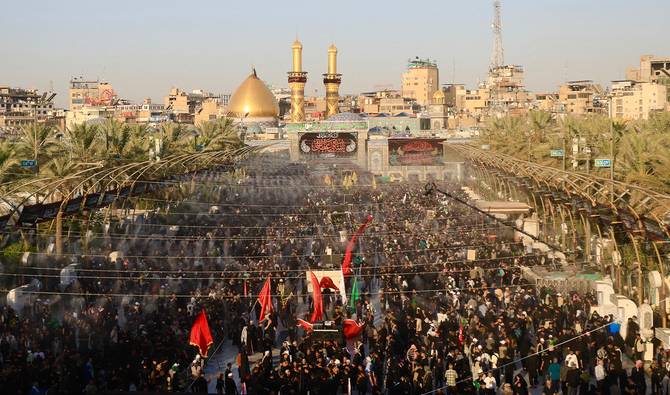
Earlier this year, the government also imposed a ban on overland travel to Iraq for the Arbaeen pilgrimage—a major Shia religious event held 40 days after the martyrdom of Imam Hussain—citing security threats in the Balochistan province bordering Iran.
Officials say the new Ziarat Policy aims to address long-standing concerns from host countries about unregulated pilgrim movement, security risks, and undocumented migration, while restoring trust in Pakistan’s management of religious tourism.