
BMP calls for single-digit interest rate to revive economy
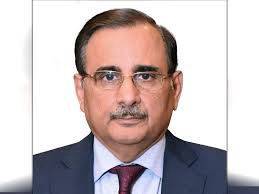

As the Monetary Policy Committee of the State Bank of Pakistan prepares to announce its decision on September 15, 2025, the Federation of Pakistan Chambers of Commerce and Industry’s Businessmen Panel (BMP) has called on the central bank to bring down the key policy rate into single digits to revive the economy.
Former FPCCI president and BMP chairman Mian Anjum Nisar said that already inflation and an excessively high mark-up rate have drastically reduced private sector borrowings during the first quarter of the current fiscal year and warned that maintaining the current rate would deepen the slowdown rather than contain inflation, which is largely being driven by supply-side disruptions from recent floods.
He said that an accommodative monetary stance was urgently needed to counter the impact of devastating rains and floods that have damaged crops, destroyed infrastructure and disrupted supply chains, and that lowering the cost of borrowing would be the only way to help farmers, traders and manufacturers rebuild their operations.
He said the government has projected economic growth of around 3 to 3.5 percent while some international agencies see it as low as 2.3 percent for the ongoing financial year amid the highest real interest rate environment in the region. He noted that Pakistan’s current policy rate stands at 11 percent, far above the mark-up rates of China, India and Bangladesh, which makes Pakistani exports and domestic industry uncompetitive at a time when production costs are already elevated due to expensive energy and imported inputs. The BMP chairman pointed out that during the catastrophic 2010–11 floods the cultivated area for major crops declined sharply and rice production fell by nearly 30 percent, underscoring the scale of risks now facing the economy as this year’s floods threaten food supplies and push up prices. He said that while headline inflation is high, much of it is due to supply bottlenecks, not excessive demand, and therefore can be better addressed by lowering financing costs so businesses can invest in logistics, storage and processing to reduce shortages.