
Emirates announces new policy for in-flight power bank use
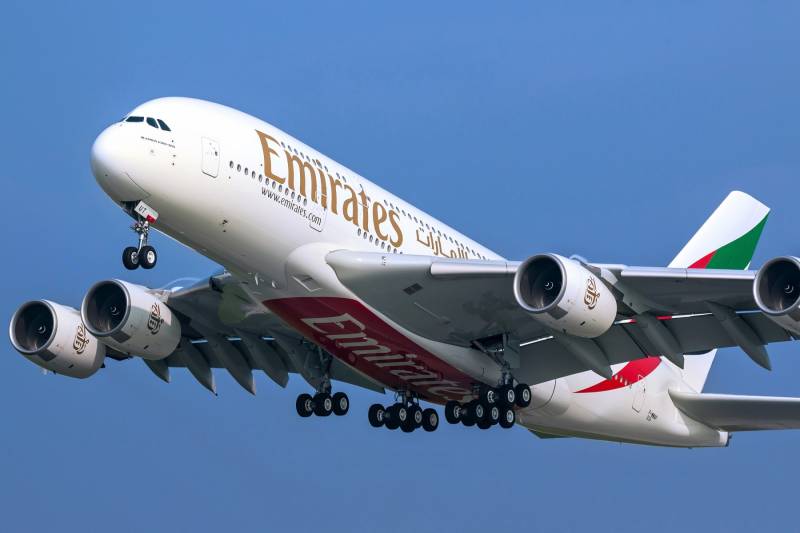

In a major safety move, Emirates is banning the use of power banks during flights starting October 1, 2025 — a decision that could spark a ripple effect across the global aviation industry.
The airline has confirmed that passengers will still be allowed to carry one power bank on board, as long as it's under 100 Watt-hours, but using it to charge devices like phones, tablets, or laptops will no longer be permitted. Passengers also won’t be allowed to recharge power banks using the plane’s USB or AC outlets.
In addition to the usage ban, power banks must now be stored in your seat pocket or under the seat in front of you — not in the overhead compartment.
“We’re taking a firm and proactive stance to mitigate risk,” Emirates said, citing a sharp increase in lithium battery-related incidents on flights worldwide.
Why the Ban? Fire Risk from Lithium Batteries
Power banks, especially those with lithium-ion cells, have become essential for travelers looking to stay connected. But they also come with risks — including a phenomenon known as thermal runaway, where a malfunctioning battery can overheat, catch fire, or even explode.
According to the U.S. Federal Aviation Administration (FAA), there were 34 incidents involving lithium batteries on flights in 2025 alone, with 11 directly linked to power banks. The FAA also reported a staggering 388% increase in lithium battery fires on U.S. flights between 2015 and 2024.
A Growing Trend Among Airlines
Many Asian airlines have already adopted similar rules, banning in-flight use of power banks and requiring passengers to keep them out of overhead bins. Emirates’ new policy aligns with these growing international safety standards.
As passenger tech habits evolve, this move by Emirates may set a new industry benchmark — and if safety concerns continue to grow, more global carriers could soon ground in-flight power bank usage as well.