
ADB predicts Pakistan’s economic growth will rise to 3.5pc in FY2026
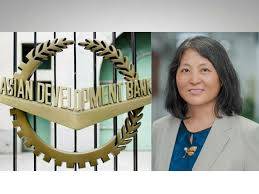

Asian Development Bank (ADB) has predicted that Pakistan’s economy is all set to grow steadily through FY2027, supported by reforms, easing inflation, and improving investment conditions, though external risks remain elevated, reported 24NewsHD TV channel on Friday.
According to the Asian Development Bank’s latest Asian Development Outlook, the real Pakistan’s gross domestic product expanded 3.1% in FY2025, reflecting stabilization after a prolonged period of macroeconomic stress.
The Asian Development Bank projected GDP growth to rise further to 3.5% in FY2026 and 4.5% in FY2027. The improvement is expected as manufacturing activity recovers and private investment gradually increases.
The report highlighted that tight macroeconomic policies and progress on structural reforms helped restore confidence during FY2025.
ADB Country Director Emma Fan said Pakistan’s economy has stabilized and started gaining stronger momentum.
She noted that reform implementation remained critical despite an increasingly uncertain global economic environment. She warned that downside risks persist and could undermine recent gains if reforms lose pace.
Pakistan faced significant economic challenges over the past three years, including high inflation, depleted foreign exchange reserves, and fiscal imbalances.
According to the State Bank of Pakistan’s annual report for 2025, inflation averaged above 20% in FY2023 before declining sharply due to monetary tightening and improved supply conditions. The central bank maintained a restrictive policy stance to anchor inflation expectations and stabilize the currency.
The ADB report projected average inflation to rise moderately to 6.4% in FY2026 and 6.5% in FY2027. The increase is attributed to higher global oil prices and disruptions in trade routes linked to tensions in the Middle East.
Pakistan remains heavily dependent on imported energy, with oil and gas accounting for a large share of total imports, according to data from the Pakistan Bureau of Statistics.
The State Bank is expected to ease monetary policy cautiously as inflation stabilizes within its medium-term target range of 5% to 7%. Analysts say gradual rate cuts could support credit growth and private sector investment without triggering renewed inflationary pressures. The Monetary Policy Committee has already signaled a data-driven approach to future easing cycles.
Economic growth in FY2026 is expected to be supported by a rebound in private sector investment. This recovery follows recent progress in exchange rate stability and improved external account management. Pakistan’s current account deficit narrowed significantly in FY2025, helped by import compression and steady remittance inflows, according to central bank data.
Reporter: Waqas Azeem