
Pakistan’s weekly inflation rises by 0.99 percent
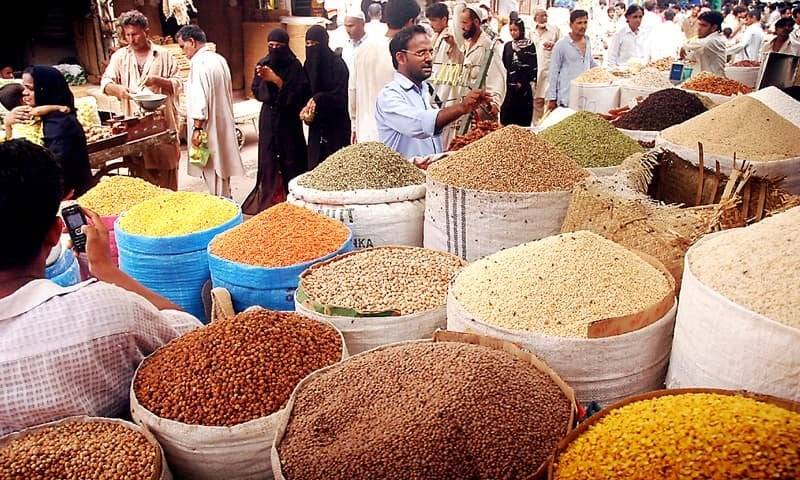

Pakistan’s weekly inflation picked up pace in the latest week, with prices of several essential household items rising, led by a sharp increase in electricity charges, reported 24NewsHD TV channel.
According to data released by the Pakistan Bureau of Statistics (PBS) on Friday, the Sensitive Price Indicator (SPI), which tracks short-term price movements, increased 0.99 percent in the week ended September 24, 2026.
Electricity charges for the first quarter recorded the biggest weekly increase of 18.76 percent. Egg prices rose 2.02 percent, while garlic became 1.57 percent more expensive. LPG prices increased 1.55 percent, followed by masoor pulse at 0.75 percent and chicken at 0.72 percent.
Prices of washing soap, mutton, beef, curd, fresh milk and wheat flour also recorded smaller increases during the week.
The rise came despite notable declines in some food items. Tomato prices fell 13.45 percent, potatoes dropped 8.33 percent and bananas became 5.66 percent cheaper. Onion prices declined 2.42 percent, while diesel and petrol prices fell 1.57 percent and 0.34 percent, respectively.
Of the 51 items tracked by the SPI, prices increased for 20 items, fell for 10, and remained unchanged for 21.
On a year-on-year basis, however, the picture remains more challenging. The SPI was 11.92 percent higher than the same week last year.
Onions recorded the biggest annual increase, with prices up 115.98 percent, followed by LPG at 63.97 percent. Electricity charges for the first quarter were 58.59 percent higher, while diesel and petrol prices rose 51.80 percent and 47.49 percent, respectively.
Some food items, however, were cheaper than last year. Potato prices fell 39.21 percent, tomatoes dropped 19.81 percent, and eggs were 18.40 percent cheaper. Prices of several pulses, garlic, and chicken also declined.
The average price of Sona urea rose 1.26 percent on the week to Rs4,758 per 50kg bag and was 8.39 percent higher year-on-year. Cement averaged Rs1,550 per 50kg bag, almost unchanged from the previous week but 10.35 percent higher than last year.
The SPI covers 51 essential items across 50 markets in 17 cities and provides a weekly view of price trends.
Reporter: Waqas Azeem